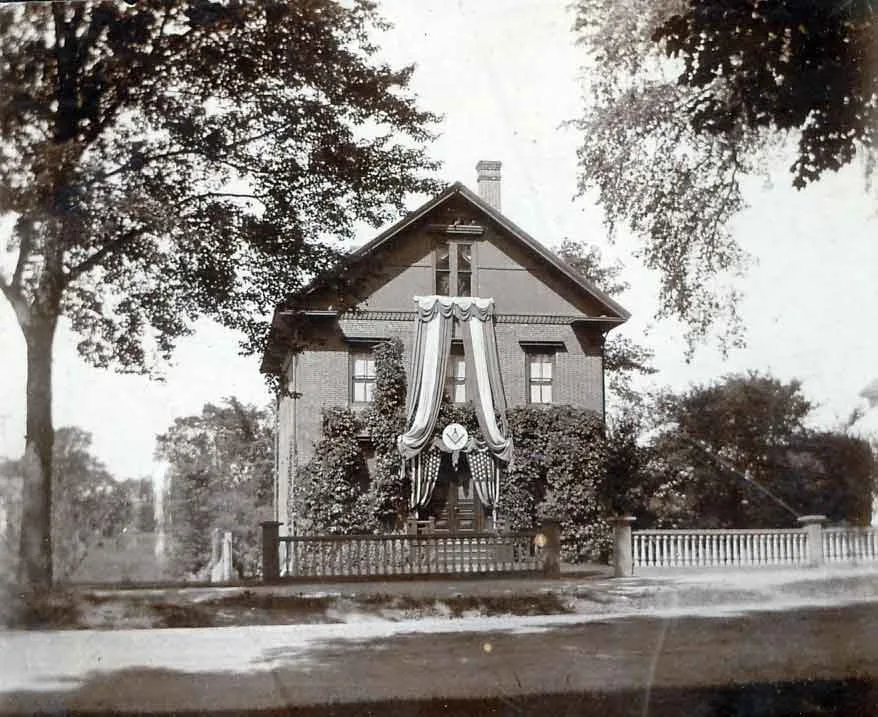
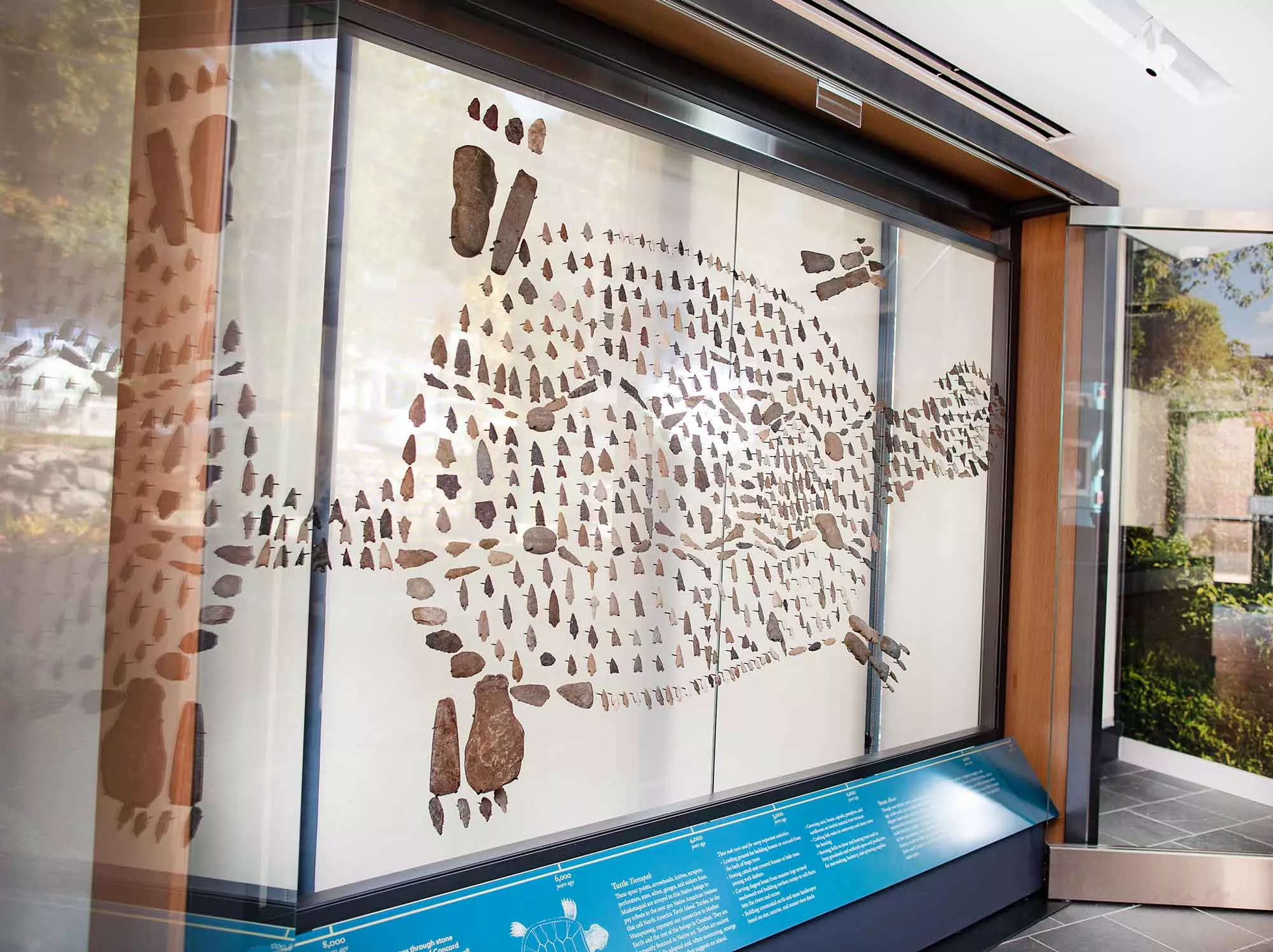
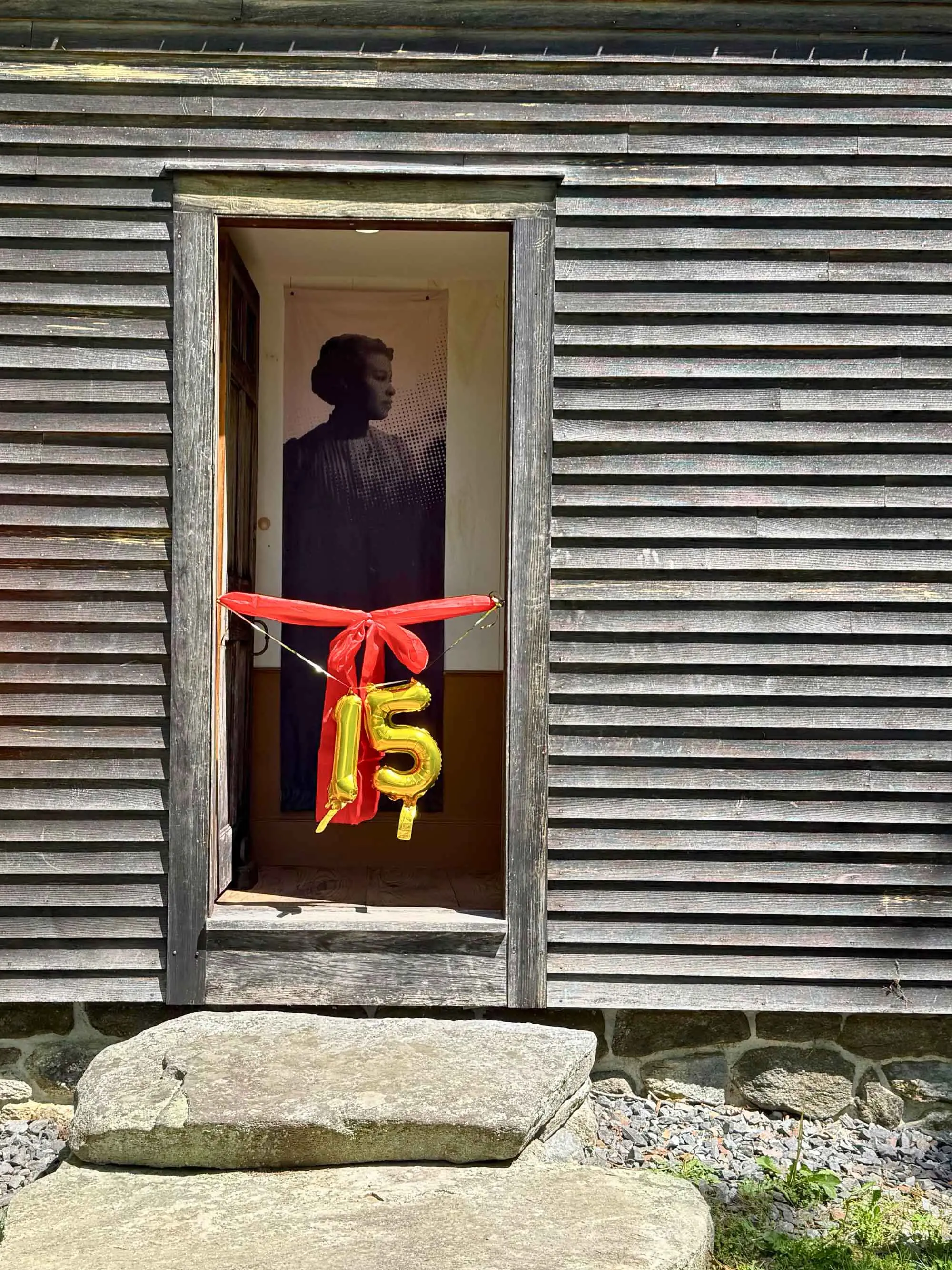
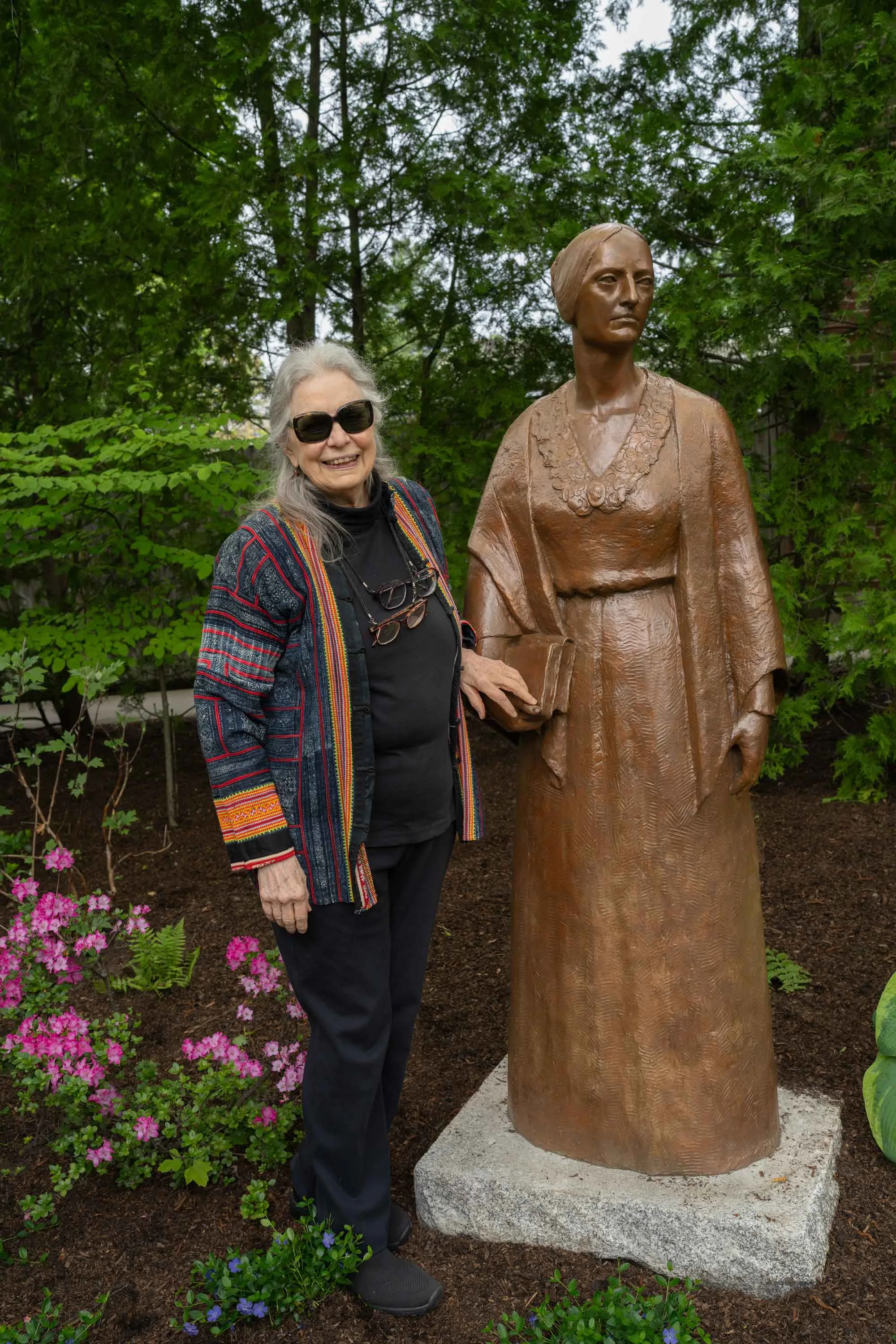
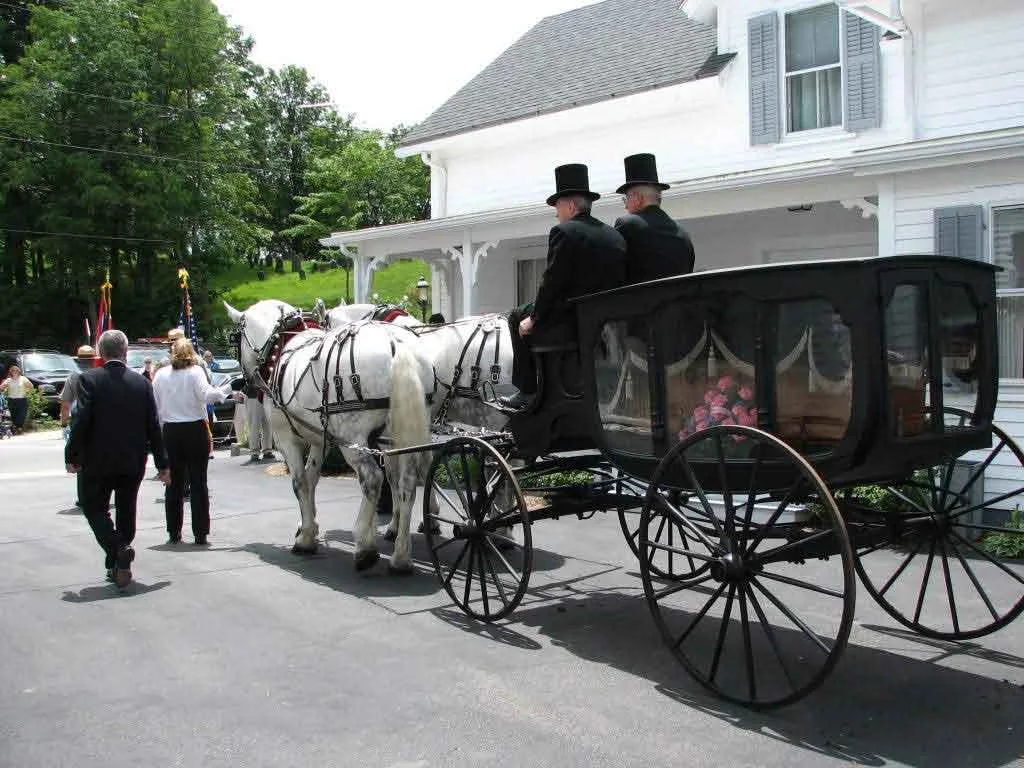
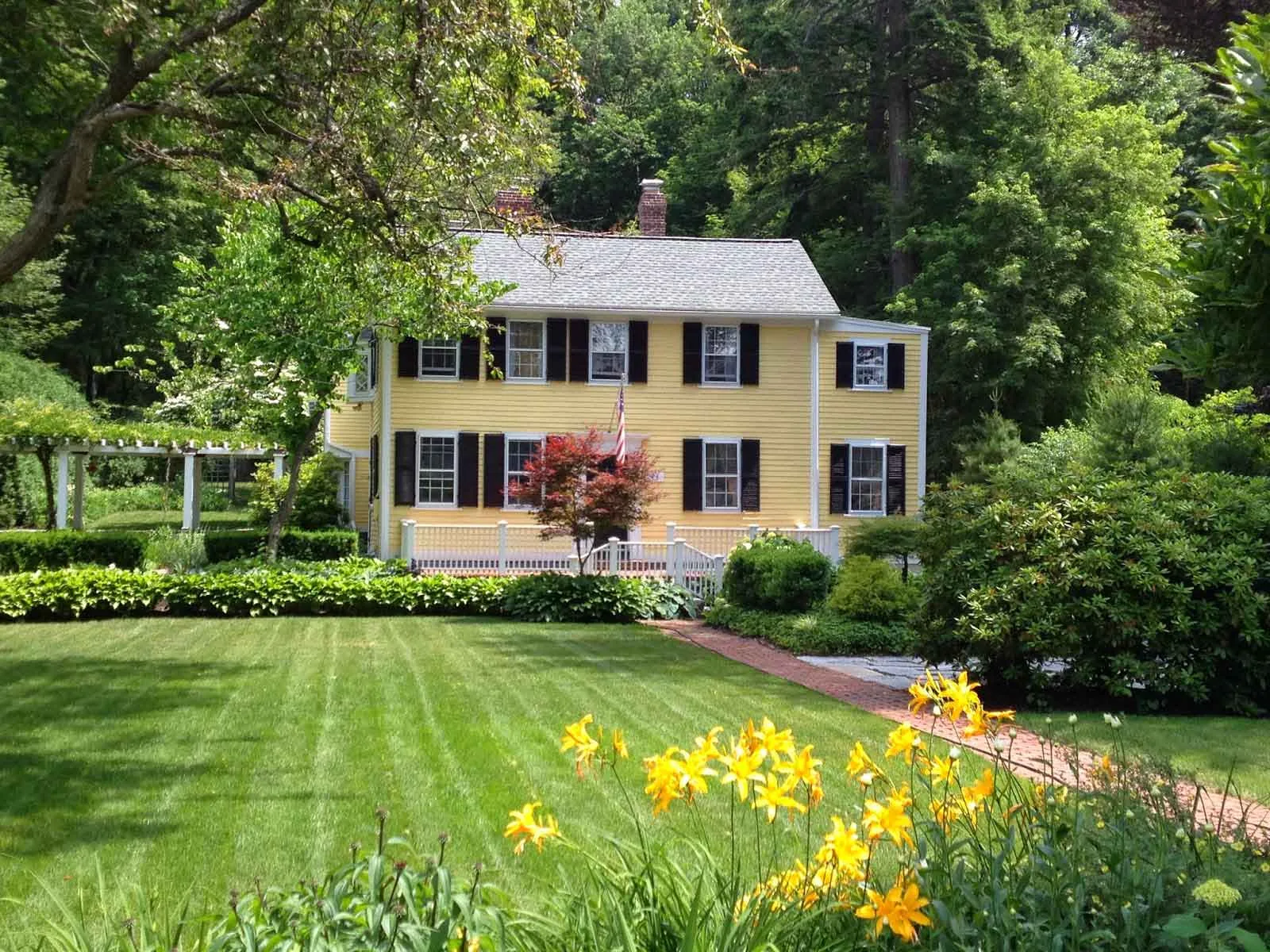
West Concord has never been a place that stood still. Its identity has been shaped and reshaped by the Assabet River, mills and factories, railroads, a prison, farms, shopkeepers, artists, and entrepreneurs. Buildings have repeatedly found new purposes; new arrivals have affixed their
own layers, adding to what came before.
Few people have watched that process longer than Maynard Forbes. He arrived in West Concord in 1951 at fourteen and, nearly seventy-five years later, still describes the village in terms of three forces that preceded him: “The railroad, the prison, and industry. Those are the entities that developed West Concord as we know it today.”
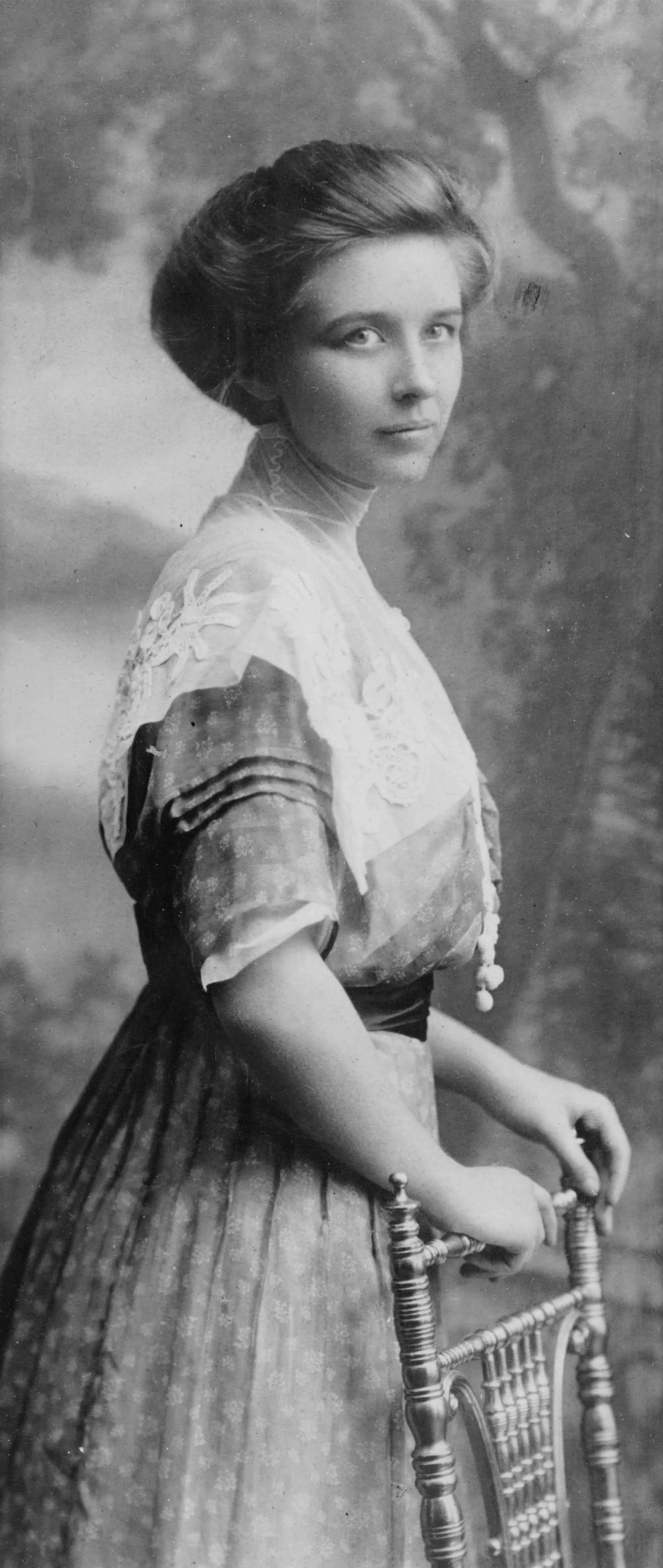
Like Ruth Robinson Wheeler, I moved to Concord from Watertown, Massachusetts, and became devoted to learning and sharing the history of my adopted town. Unlike Ruth Wheeler, I’ve never been attacked by a bull.
The bull attack occurred on her farm on Virginia Road in 1940, when she was fifty years old. Fortunately, she recovered from her injuries. Wrangling cattle was not an ordinary occupation for a Vassar graduate with a colonial Massachusetts pedigree, but Ruth was not an ordinary woman.
Many years ago, I studied the ancient bardic tradition in Scotland with one of the last living bards. To be a true bard would have meant a lifetime of study, and my time with this bard was just a glimpse into the Celtic tradition of history keeping.
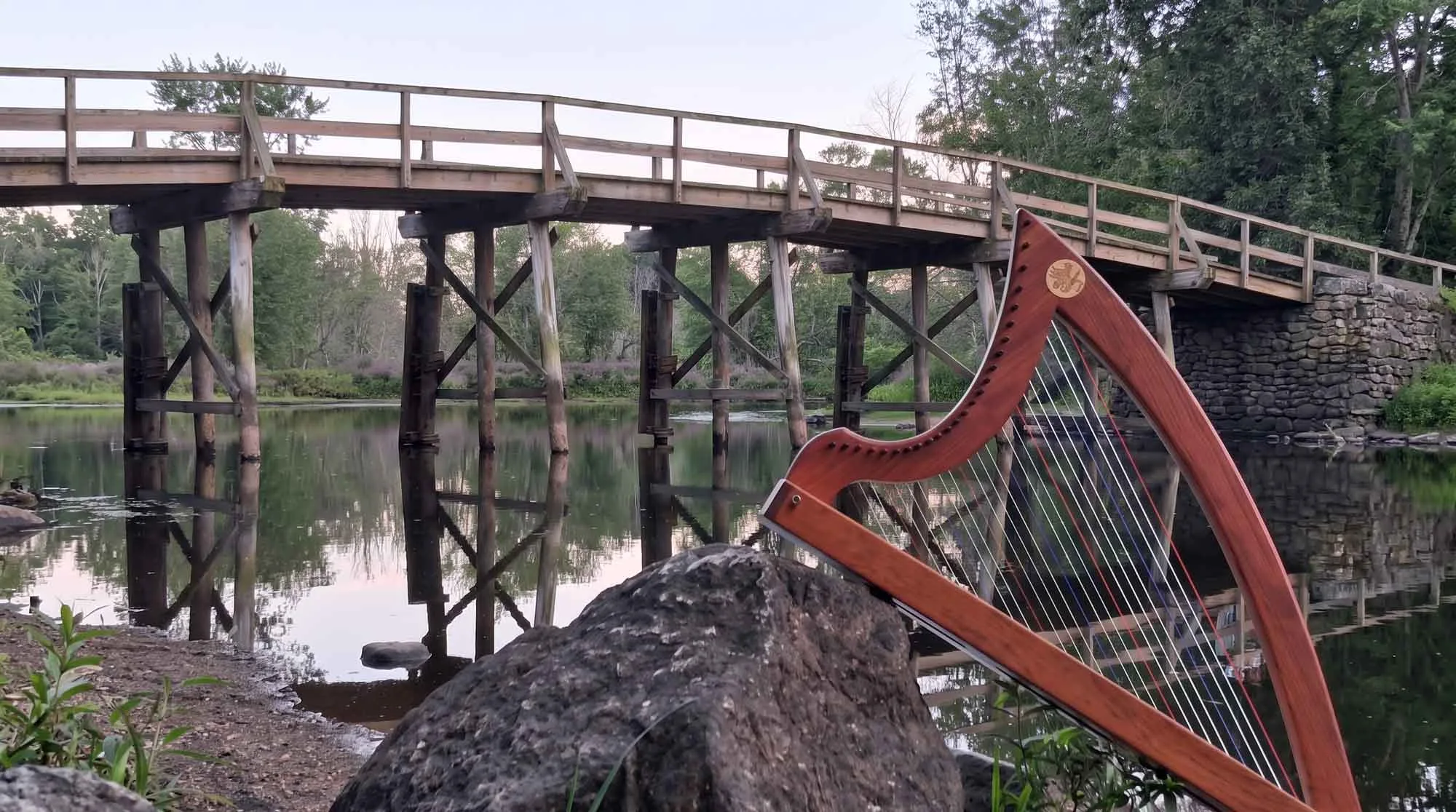
The traditional opening line of a bardic tale, “In the times before history,” indicated a story from before the written word existed. The bards were among the Celtic world’s early historians, learning verbatim from other bards the passed-down histories of their regions, memorizing the genealogies of kings and noble houses (establishing the rights of succession), and preserving current events by composing their own tales of honor, treachery, and all that occurred in between. Many bards were harp players and would accompany their tales with strains from metal or gut harp strings.