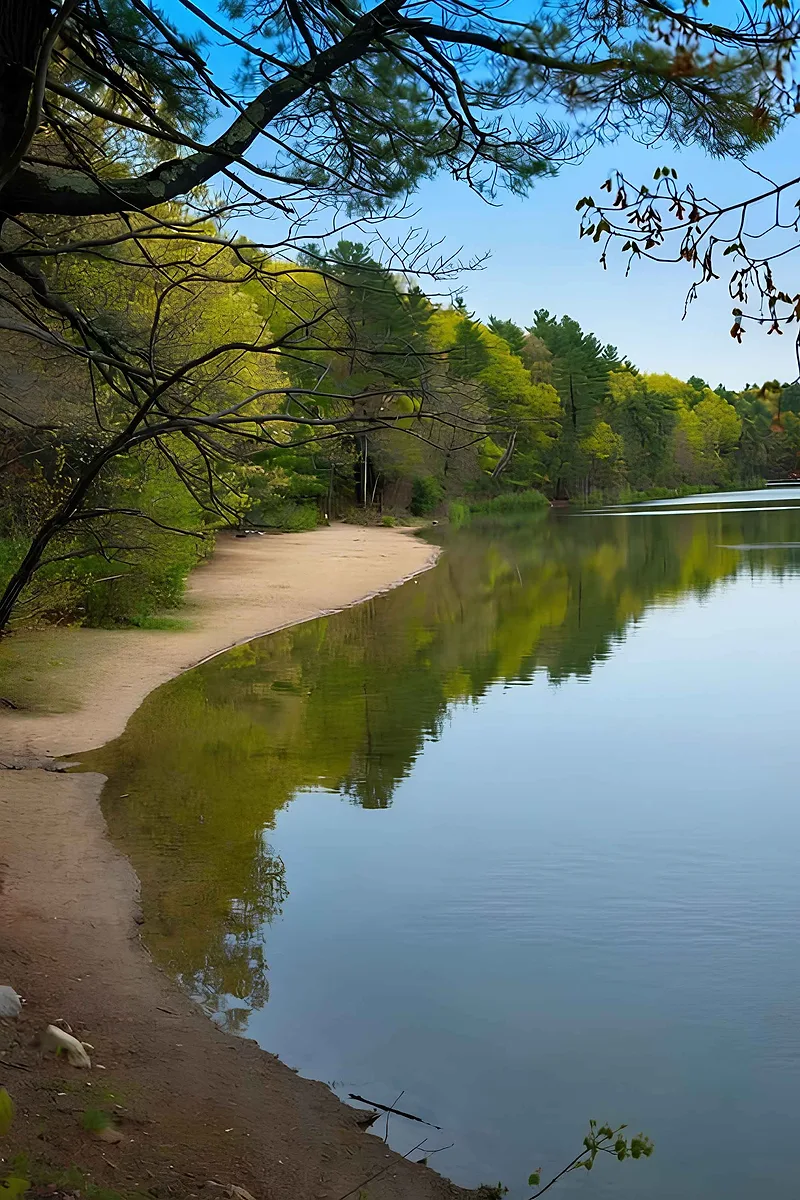
Few American writers are as closely connected to a place as Henry David Thoreau (1817–1862). The landscapes of Concord and the surrounding towns—today part of Freedom’s Way National Heritage Area—shaped his ideas, inspired his writing, and helped define a philosophy that continues to influence readers around the world.
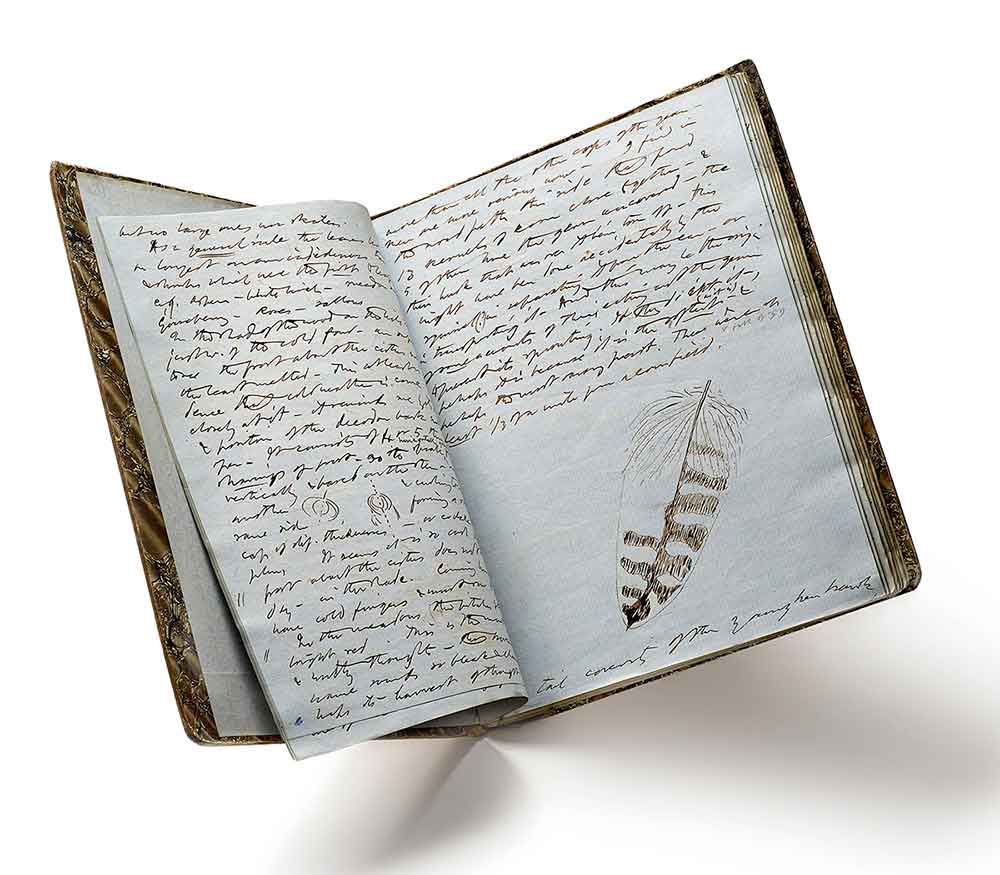
Henry David Thoreau’s journal notebook for November 9, 1858–April 7, 1859 (open to the entry for November 11, 1858)
|This itinerary follows Thoreau’s journey through the places that mattered most to him. From his birthplace at Thoreau Farm to his final resting place in Sleepy Hollow Cemetery, these homes, buildings, fields, forests, and waterways reveal the people and topography that helped form one of America’s most influential thinkers.
Thoreau’s worldview emerged from direct experience. As a child, he explored Concord’s woods, rivers, and meadows. As an adult, he surveyed the land, recorded seasonal changes, and walked countless miles through the countryside. Places such as Walden Pond, Great Meadows, Fairhaven Bay, and Mount Wachusett were not simply destinations—they were classrooms, laboratories, and sources of inspiration.
The people he encountered also shaped his thinking. At Concord Center School, first as a student and later as a teacher, he developed a lifelong commitment to learning. At the home of Ralph Waldo Emerson, he participated in conversations that helped define the Transcendentalist movement. Throughout Concord, family members, neighbors, and fellow reformers challenged him to think deeply about society, justice, and the individual’s responsibility to act according to conscience.
Many of Thoreau’s most enduring ideas grew directly from these experiences. His belief that human beings are part of nature—not separate from it—helped lay the foundation for modern environmental thought. His writings on civil disobedience and moral responsibility would later influence leaders such as Martin Luther King Jr. and Mahatma Gandhi. His call to live deliberately continues to resonate with people seeking meaning in an increasingly complex world.
Perhaps Thoreau’s greatest lesson is not what to think—but how to think. His life demonstrates the value of careful observation, thoughtful reflection, and a willingness to question accepted assumptions. He continually revised his ideas as he learned more about the natural world and his place within it.
As you visit these sites, you are doing more than exploring historic landmarks. You are following the paths, conversations, and discoveries that shaped a writer whose influence extends far beyond Concord. We invite you to walk where Thoreau walked and consider for yourself the questions that occupied him throughout his life: How should we live? What do we owe one another? What can nature teach us about the world and ourselves?
Sites Along the Journey
1 THOREAU FARM | 341 Virginia Road, Concord
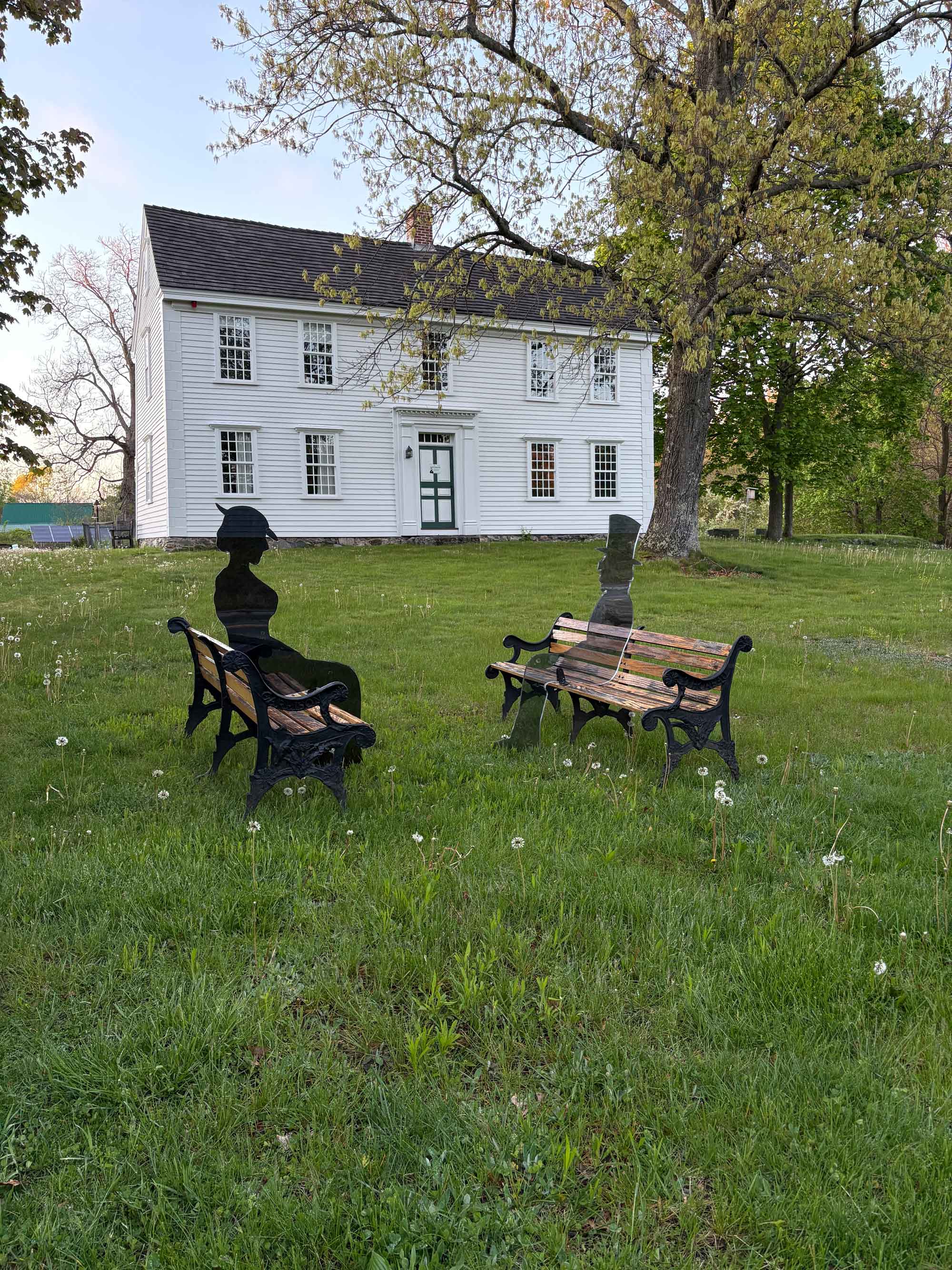
Henry David Thoreau was born in this house on July 12, 1817. His birth home, where his mother Cynthia also spent her formative years, provides an important starting point for understanding one of America’s most significant writers. Thoreau is the only one of Concord’s most famous authors actually born in Concord—a distinction that underscores how closely his legacy is tied to place. Preserved today as an educational center and the headquarters of the Thoreau Alliance, this modest farmhouse welcomes visitors from around the world and shares Thoreau’s life, writings, and enduring influence.
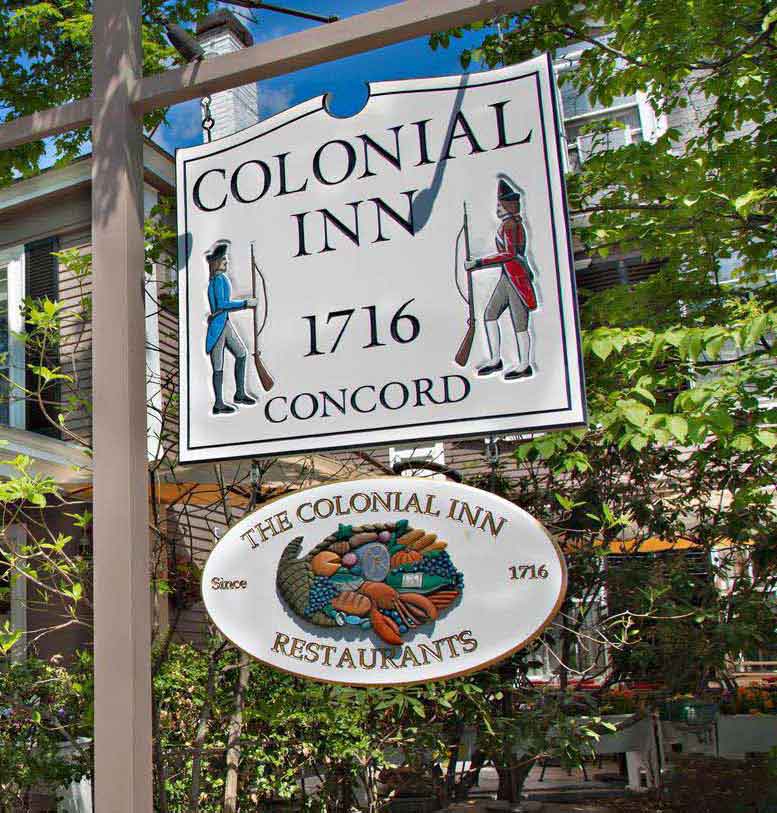
2 CONCORD’S COLONIAL INN | 48 Monument Square, Concord
Located in the heart of Concord Center, this historic inn is just one of several buildings in Concord that the Thoreau family called home. They lived in the building to the right of the main entrance to save money for Thoreau’s Harvard tuition from 1833 to 1837. Later, that part of the building was a boarding house and small hotel called Thoreau Girls—named after his aunts who lived there at one time. Today, the inn remains a gateway to Concord’s literary and Revolutionary history.
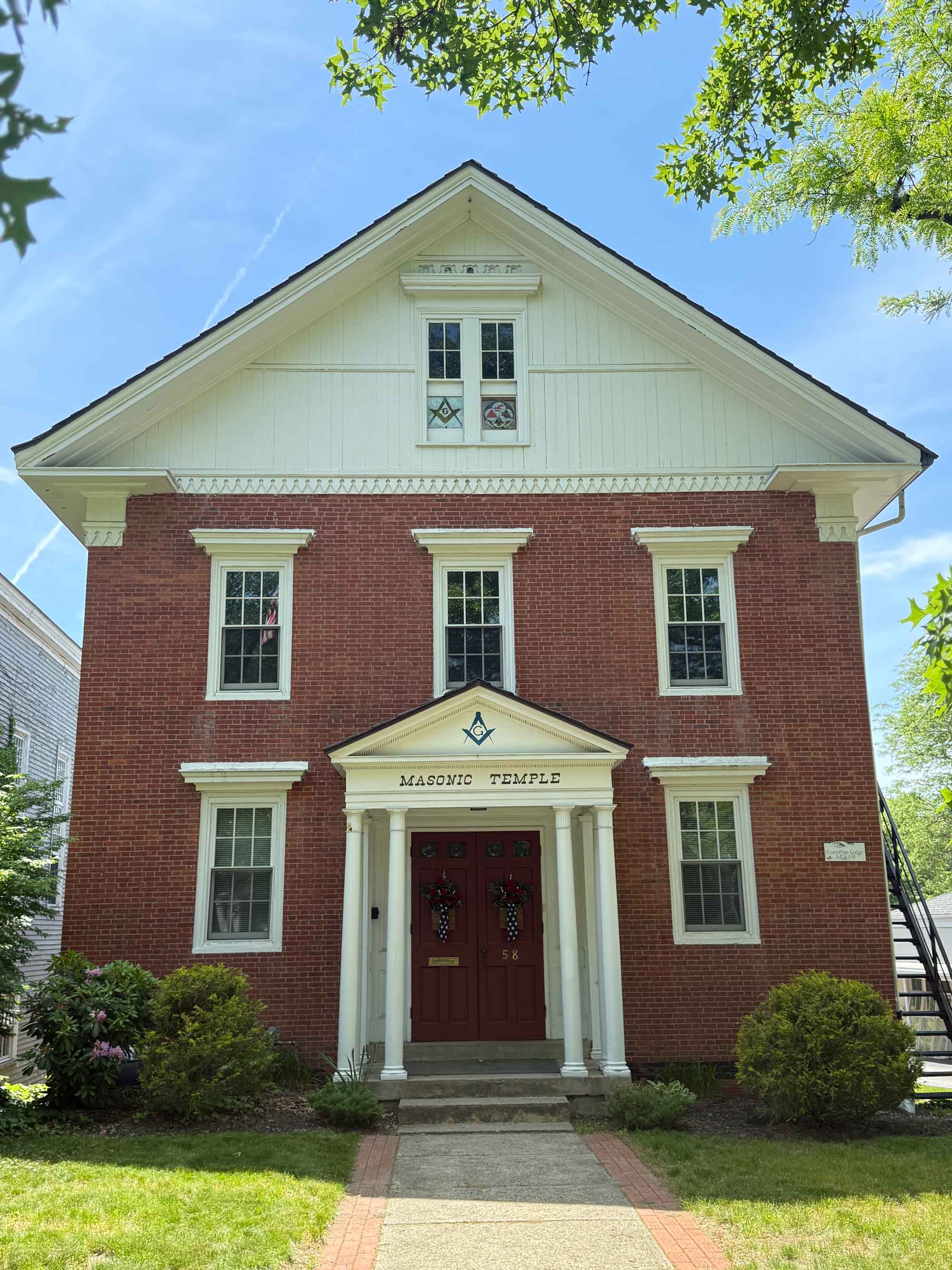
Masonic Temple
|3 MASONIC TEMPLE / CONCORD CENTER SCHOOL SITE | 58 Monument Square, Concord
In the 1800s, this building was both the Masonic Lodge and the Concord Center School House, where Thoreau studied as a child and later taught. His experiences as both student and educator helped shape his lifelong belief in independent thought and self-directed learning. The Concord Lyceum also presented lectures here on occasion, and Thoreau was sometimes among the speakers.
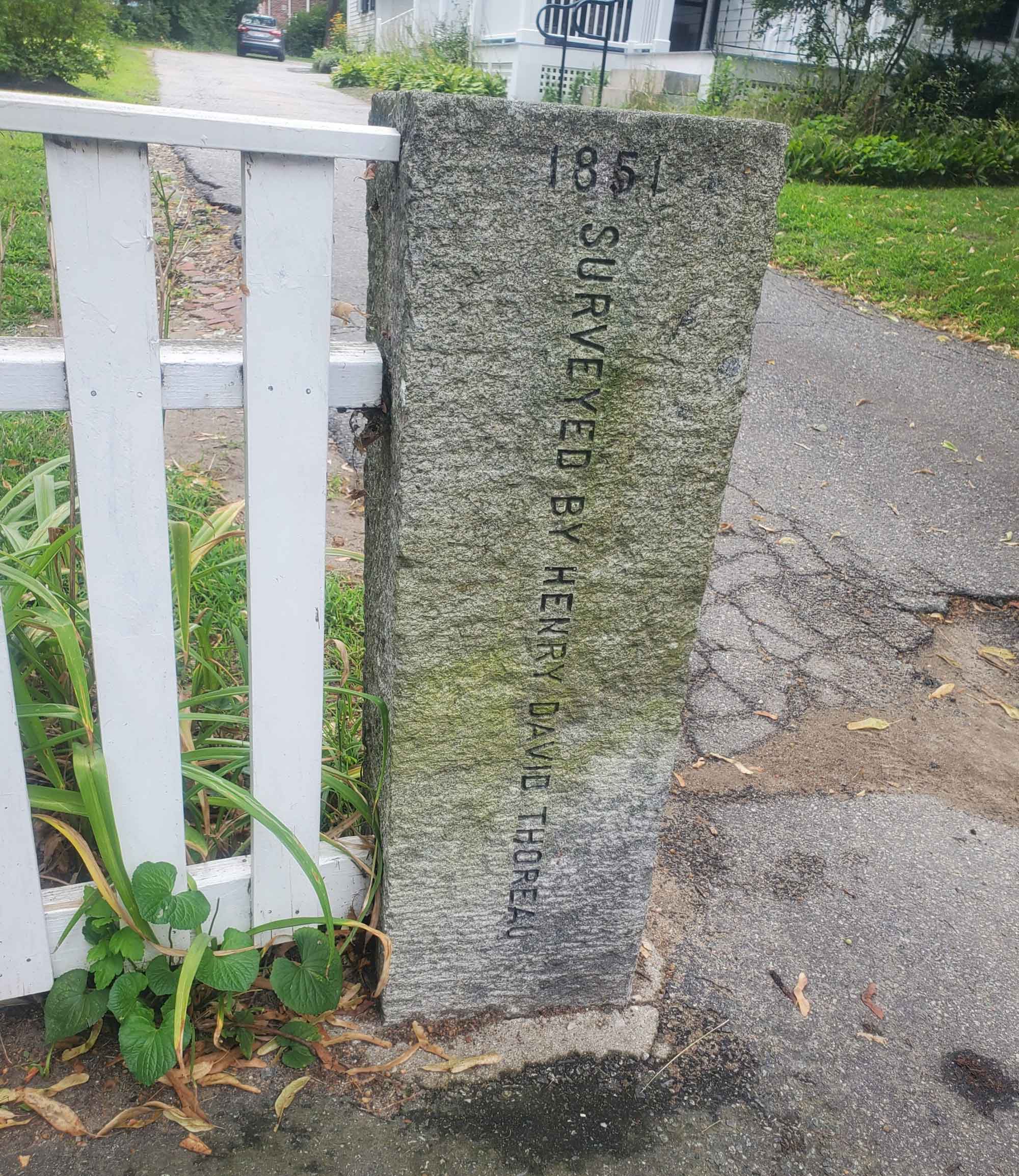
Thoreau survey marker
|4 THOREAU SURVEY MARKER | 110 Walden Street, Concord
Thoreau worked professionally as a surveyor, a career that combined his fascination with the landscape and his talent for careful observation. Surveying took him across Concord and neighboring towns, deepening his understanding of local ecology, geology, and seasonal change. This marker commemorates that important but often overlooked aspect of his life and demonstrates how closely his scientific observations informed his writing.
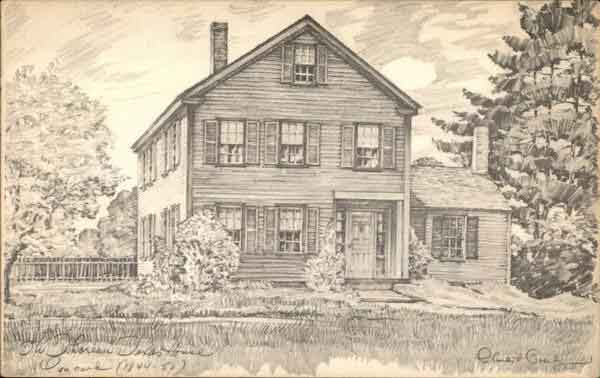
The Texas House
|5 THE TEXAS HOUSE SITE
In 1844, John Thoreau Sr. established the first home the Thoreau family ever owned on what was then called Texas Street—a rural edge of Concord. The property included the family’s pencil shop and was home to the Thoreaus during Henry’s years at Walden (1845–1847), when he often walked the nearby railroad tracks between the pond and town. The house no longer survives but once stood beside today’s 156 Belknap Street. Please respect this private property.
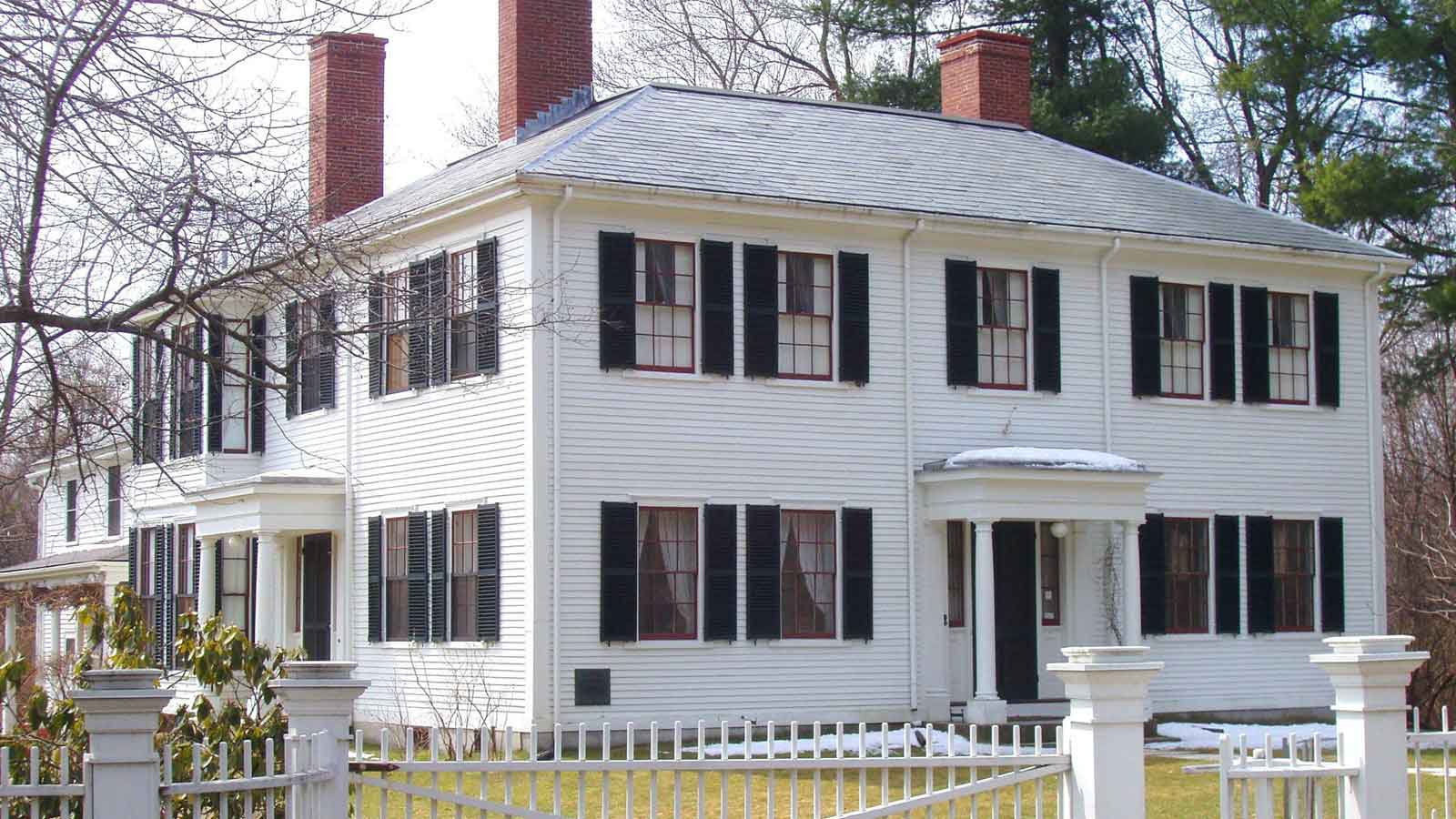
Ralph Waldo Emerson House
|6 THE RALPH WALDO EMERSON HOUSE | 28 Cambridge Turnpike, Concord
Few people influenced Thoreau more profoundly than Ralph Waldo Emerson, who provided land at Walden Pond for Thoreau’s famous experiment in simple living and welcomed Thoreau into his intellectual circle. Thoreau also lived twice in Emerson’s house, known as Bush, which was a hub of American Transcendentalism. Bronson Alcott (and his daughter Louisa), Margaret Fuller, Theodore Parker, Elizabeth Palmer Peabody, and Nathaniel Hawthorne were all frequent visitors. For Thoreau, it was both a place of friendship and a center of intellectual exchange.
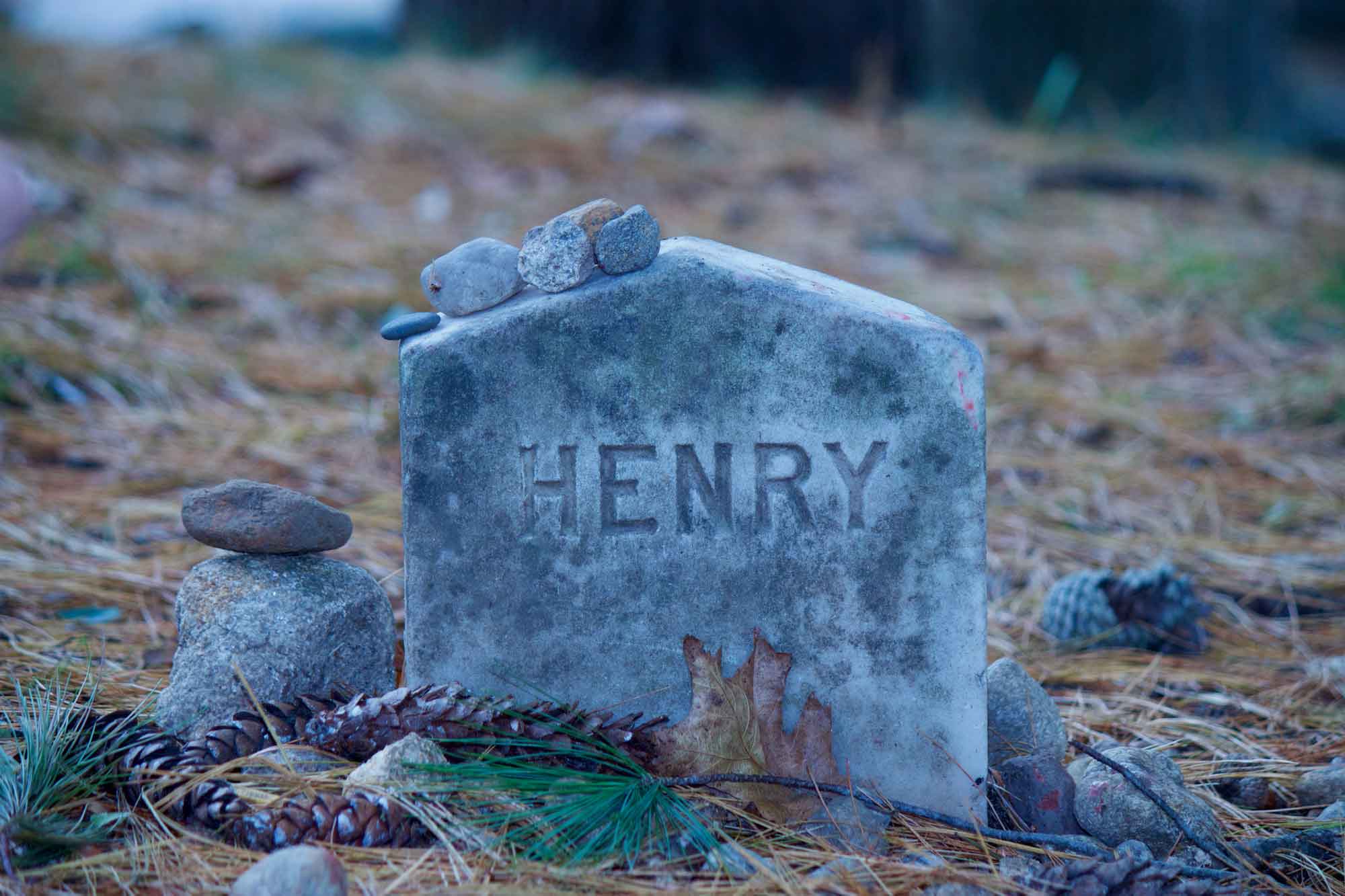
Thoreau’s headstone at Sleepy Hollow Cemetery
|7 SLEEPY HOLLOW CEMETERY | Bedford Street & Court Lane, Concord
Though originally buried in the Thoreau-Dunbar plot in the oldest part of this cemetery, Thoreau’s final resting place is now found on Authors Ridge, where he is buried alongside Ralph Waldo Emerson, Louisa May Alcott, Nathaniel Hawthorne, and other literary giants. Visitors often leave pencils, notes, flowers, and pinecones at Thoreau’s grave in tribute. The cemetery offers a quiet opportunity to reflect on the lasting influence of a writer whose ideas continue to resonate more than 160 years after his death.
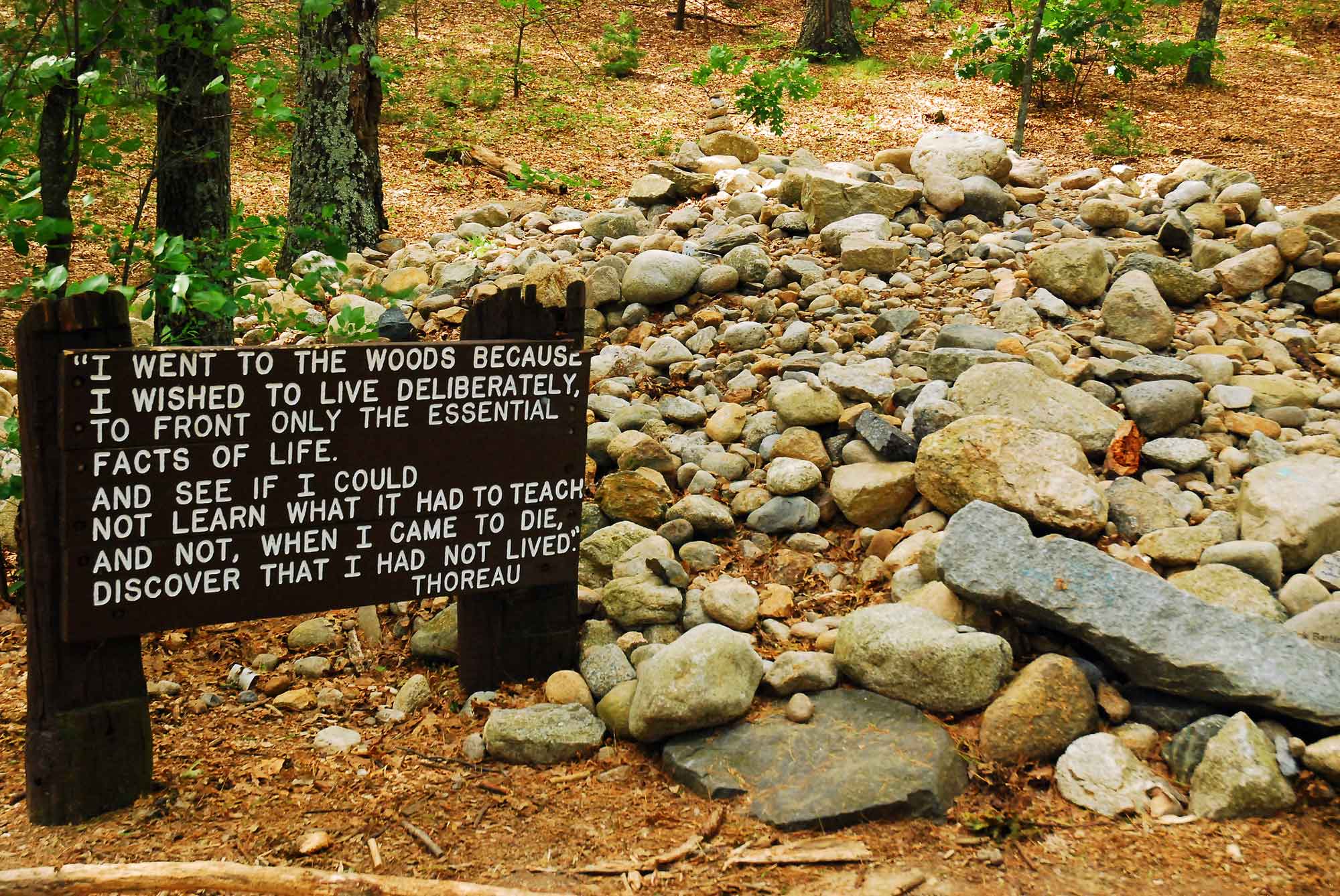
Walden Pond State Reservation
|8 WALDEN POND STATE RESERVATION | 915 Walden Street, Concord
No place is more closely associated with Thoreau than Walden Pond. From 1845 to 1847, he lived in a small house near its shore, conducting what he called an experiment in simple living. The experience inspired Walden, one of the most evocative works in American literature. Today, visitors can walk the pond’s trails, visit the house site, and experience the landscape that inspired Thoreau’s reflections on nature, self-reliance, and deliberate living.
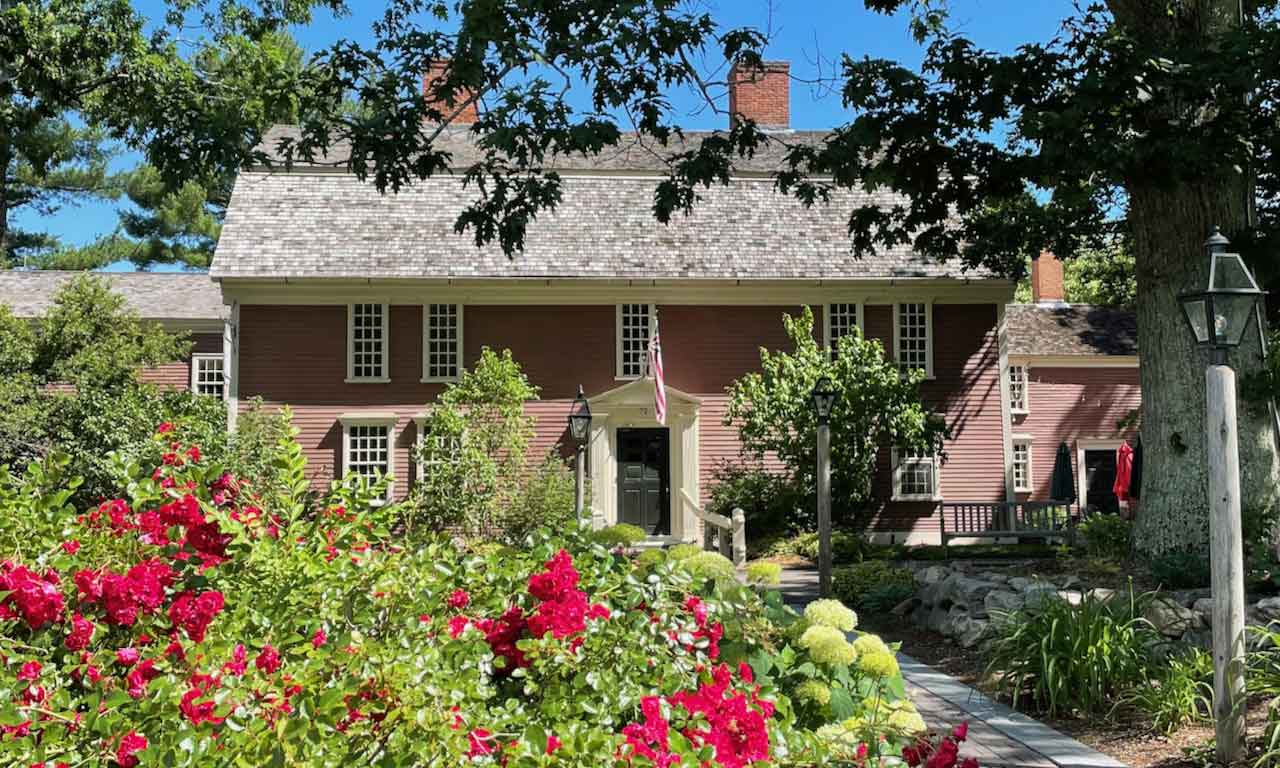
Wayside Inn
|9 LONGFELLOW’S WAYSIDE INN AND NOBSCOT HILL | 72 Wayside Inn Road, Sudbury
Thoreau often explored the countryside beyond Concord. On May 22, 1853, he visited the Red Horse Tavern—later the Howe Tavern, now Longfellow’s Wayside Inn—with friend and walking companion Ellery Channing. Leaving their carriage there, they hiked nearby Nobscot Hill, with wide views across several towns and toward the Harvard hills. Thoreau called it “the best point from which to view the Concord River valley.” Both sites remain part of a preserved rural landscape that reflects the New England world Thoreau knew and admired.
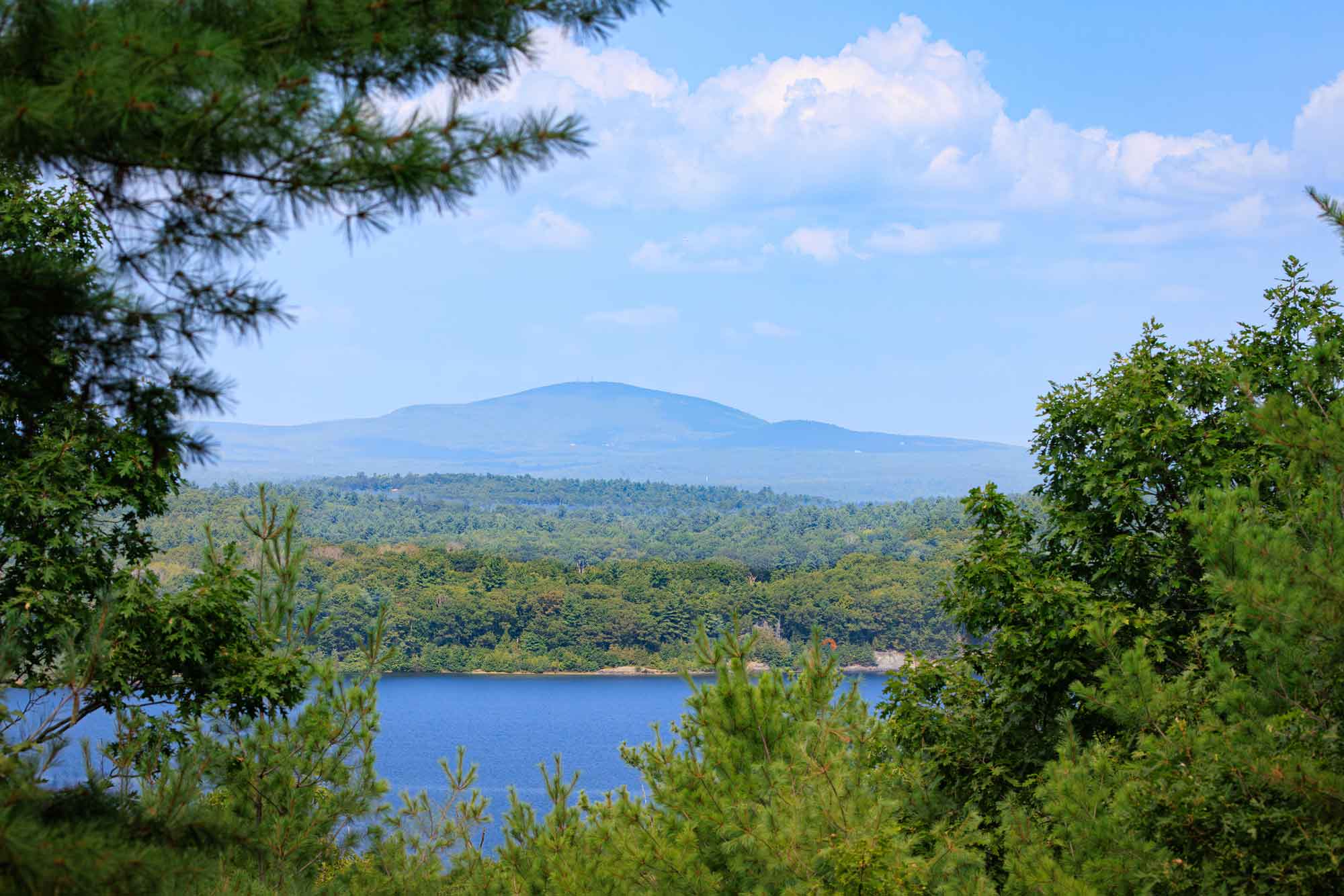
Mount Wachusett State Reservation
|10 MOUNT WACHUSETT STATE RESERVATION | 345 Mountain Road, Princeton
Thoreau could see Mount Wachusett from Concord and described it in almost mystical terms, once calling it “like me, standstill alone without society.” Though he deeply admired it, he visited only twice. In 1842, he and Richard Fuller made a strenuous three-day foot journey from Concord and camped on the summit. One of Thoreau’s earliest published essays, “A Walk to Wachusett,” was his detailed account of this trip. In 1854, he returned with friends by train, stayed in a local home, and kept journal notes but did not publish an essay. Today, Wachusett Mountain State Reservation preserves the mountain’s trails and wild landscapes Thoreau sought.
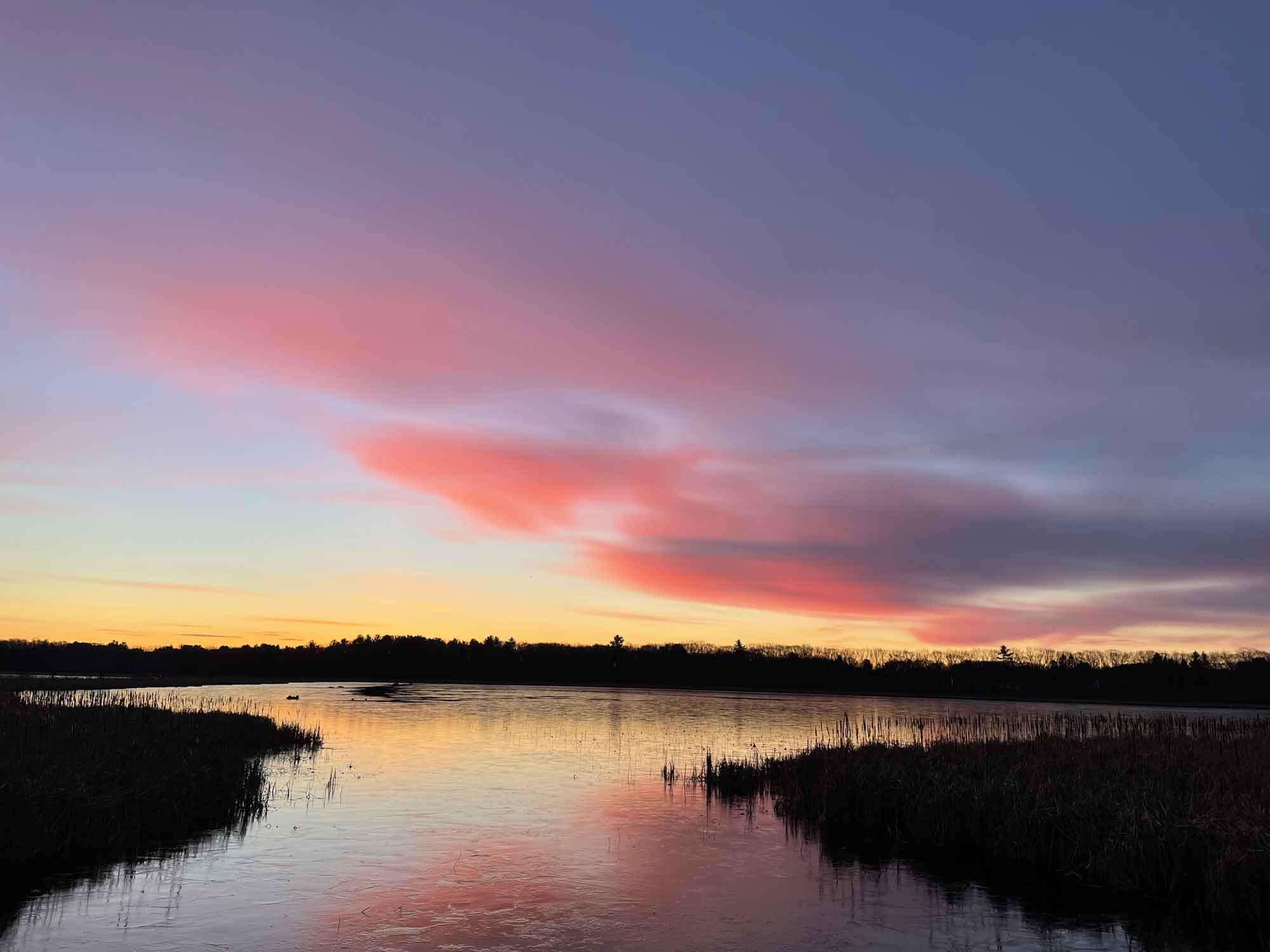
Great Meadows at dawn
|11 GREAT MEADOWS NATIONAL WILDLIFE REFUGE
The Concord River marshes were among Thoreau’s favorite places for observing nature. Here, he studied birds, flooding cycles, plant succession, and seasonal change with remarkable patience and precision. His journals from these wetlands reveal an emerging ecological understanding decades before ecology became a formal scientific discipline. Today, the refuge protects the same rich habitat that informed many of his later natural history writings.
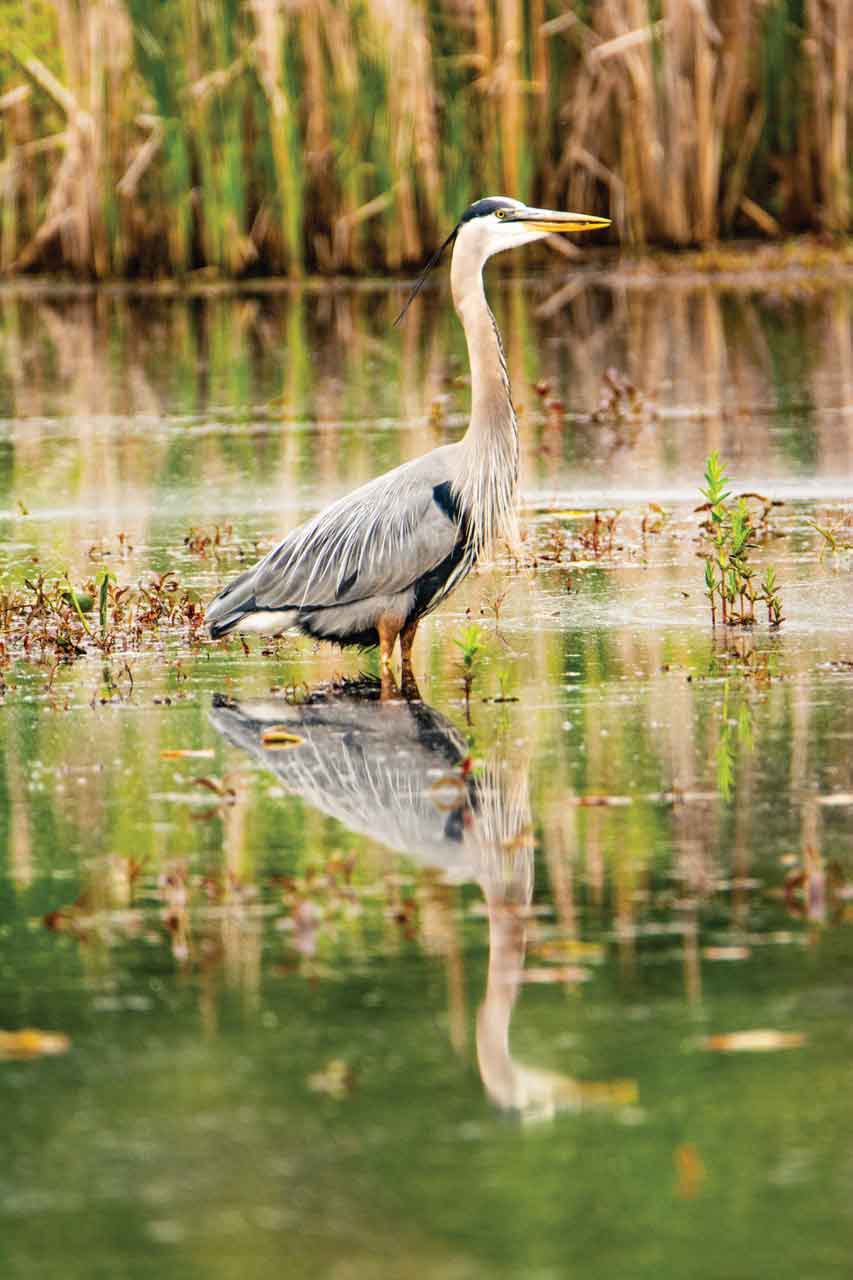
Great Blue Heron at Fairhaven Bay
|12 FAIRHAVEN BAY
Thoreau frequently paddled the Concord River and Fairhaven Bay with his brother, John. Their celebrated river journey of 1839 later inspired A Week on the Concord and Merrimack Rivers, his first published book. Fairhaven Bay became a place of adventure, contemplation, and close observation of the natural world. The quiet waters and surrounding woodlands remain among the most evocative landscapes in Thoreau Country.
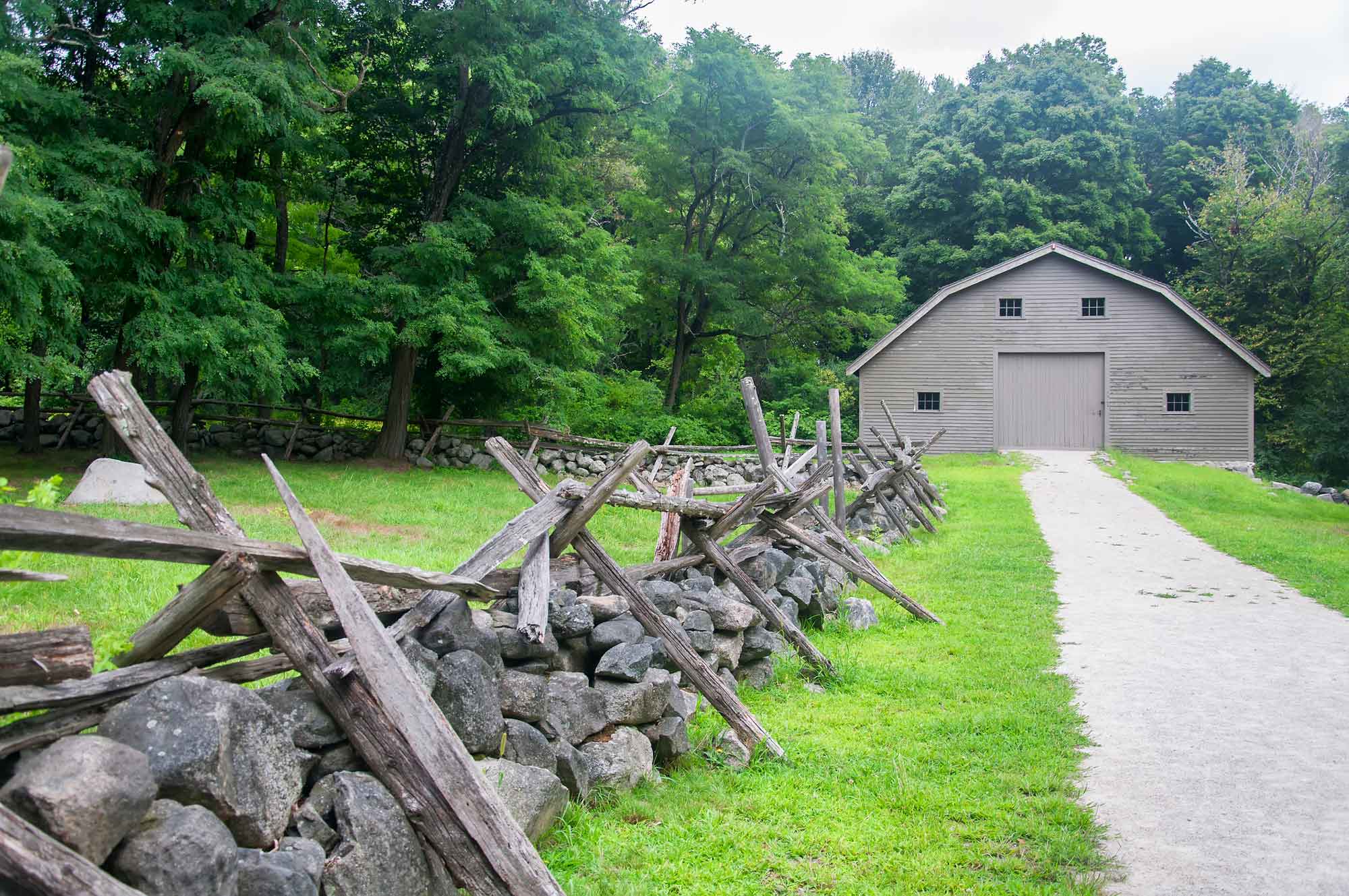
Minute Man National Historical Park
|13 MINUTE MAN NATIONAL HISTORICAL PARK
Thoreau often walked the Battle Road corridor, reflecting on the Revolutionary landscape and its lessons about liberty, conscience, and civic responsibility. The fields, forests, and historic roadways preserved within the park connected him to the events of April 19, 1775, and reinforced ideas that would later appear in his writings on freedom and civil disobedience. The park remains one of the best places to experience the landscape that shaped both American history and Thoreau’s moral imagination.
Continue the Journey
The places highlighted here represent only a portion of Thoreau’s world. To discover additional sites throughout Freedom’s Way National Heritage Area, visit FreedomsWay.org and explore the complete interactive itinerary.
Visitors seeking a deeper understanding of Thoreau’s life and legacy should also visit the Concord Museum, home to the nation’s largest collection of Thoreau artifacts; the Concord Free Public Library, which houses extensive Thoreau archives; and the Walden Woods Project Library in Lincoln, home to one of the world’s most significant collections of Thoreau-related research materials, including the archival collections of the Thoreau Alliance.
————————————————————————
Freedom’s Way National Heritage Area invites you to begin your exploration of the life of Henry David Thoreau in and around Concord with an interactive map. Choose your destination, see information about the site, visualize it on a map of the area, and access a trip plan with easy self-driving directions.https://freedomsway.org/itineraries/following-in-thoreaus-footsteps/
*This article was made possible with the support of Freedom’s Way National Heritage Area and the Thoreau Alliance.