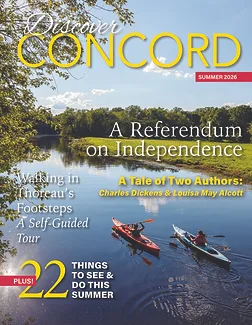
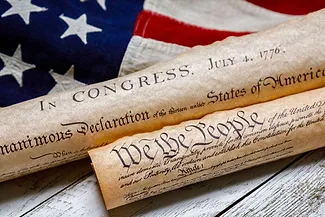
As our nation celebrates the 250th anniversary of the Declaration of Independence, this issue explores the people, ideas, and stories that continue to shape its legacy. Inside, Professor Robert A. Gross offers fresh perspective in “A Referendum on Independence,” while a special foldout guide, “Following in Thoreau’s Footsteps,” invites you to explore the landscapes that inspired him. Discover an unexpected connection in “A Tale of Two Authors,” revisit the moving story of “A Hawthorne Homecoming,” and enjoy summer events, arts, and ways to experience Concord firsthand.
The arts are flourishing in Concord this summer! Whether you're passionate about music, visual arts, or theatre, you're sure to find your summer inspiration here.
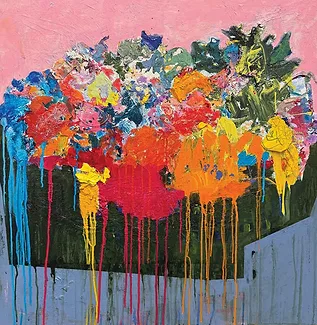
Meet two of Concord's extraordinary artists, Brenda Cirioni and Natasha Dikareva, and discover what inspires them to create paintings and sculptures that inspire.