Discover Concord Logo
Toggle Mobile MenuToggle Mobile Menu
Subscribe
  • Home
  • Current Issue
  • Back Issues
    • Fall 2025
    • Spring 2025
    • Winter 2025
    • 2024 Back Issues
    • 2023 Back Issues
    • 2022 Back Issues
    • 2021 Back Issues
    • 2020 Back Issues
    • 2019 Back Issues
  • Browse Topics
    • Abolitionism in Concord
    • American Revolution
    • Arts & Culture
    • Celebrity Profiles
    • Civil War
    • Concord History
    • Concord Writers
    • First Nations People of Concord
    • Historic Sites in Concord
    • Parks & Nature
    • Patriots of Color
    • Things to See & Do
    • Transcendentalism
    • Trivia
    • Untold Stories of Concord
  • Plan Your Visit
  • Events
  • Purchase Subscriptions and Back Issues
  • Discover the Battle Road
  • 250 Collectibles
  • Trading Cards
  • More
    • About Us
    • Advertise
    • Contact Us
Toggle Mobile MenuToggle Mobile Menu
Home » Authors » Barbara Ellen Ewen

Barbara Ellen Ewen

Barbara Ellen Ewen is curator of the Ralph Waldo Emerson House website and editor of the Emerson blog, Looking Back. A licensed Concord tour guide, she guides at Emerson House and Louisa May Alcott’s Orchard House.

Articles

ARTICLES

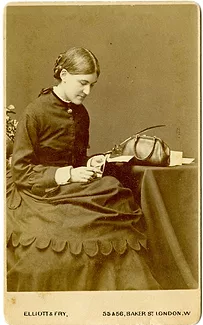
Emerson_EllenT001.jpg

The Education of Ellen Emerson

September 15, 2022
Barbara Ellen Ewen
No Comments

Ellen Tucker Emerson was the second child and eldest daughter of Ralph Waldo Emerson and Lidian Jackson Emerson. Born on February 25, 1839, she was named after Emerson’s first wife, Ellen Tucker, who was deceased.

Emerson understood the importance of education for all and ensured that Ellen was well schooled by educators, including Elizabeth Cary Agassiz, wife of biologist Louis Agassiz and a dedicated teacher who became the first president of Radcliffe College; Franklin Sanborn, Concord educator and one of abolitionist John Brown’s “secret six;” and Elizabeth Sedgwick, who founded the Sedgwick School for Young Ladies in Lenox to enable girls to expand their knowledge. By the time Ellen’s formal schooling ended in 1858, she was able to speak and translate French and German, capabilities she was able to draw on for the rest of her life.

Read More

Featured Stories

  • Battle Green istock Peter Blottman.jpg

    Discover the Battle Road

    “The flames of sedition spread.” So wrote General Thomas Gage in September 1774 after armed colonists forced the closure of the county courts in Springfield and Great Barrington. The crisis was escalating—and revolution was drawing near. Discover the story in “The Massachusetts Court Closures: The Flames of Sedition Spread.” And when spring arrives, why not see the history for yourself? “Lexington’s Historic Landmarks: Tracing the Roots of the Revolution” highlights nine sites in Lexington that bring the opening chapters of the Revolution to life.
©2026. All Rights Reserved. Content: Voyager Publishing LLC. Design, CMS, Hosting & Web Development: ePublishing
Facebook Instagram