
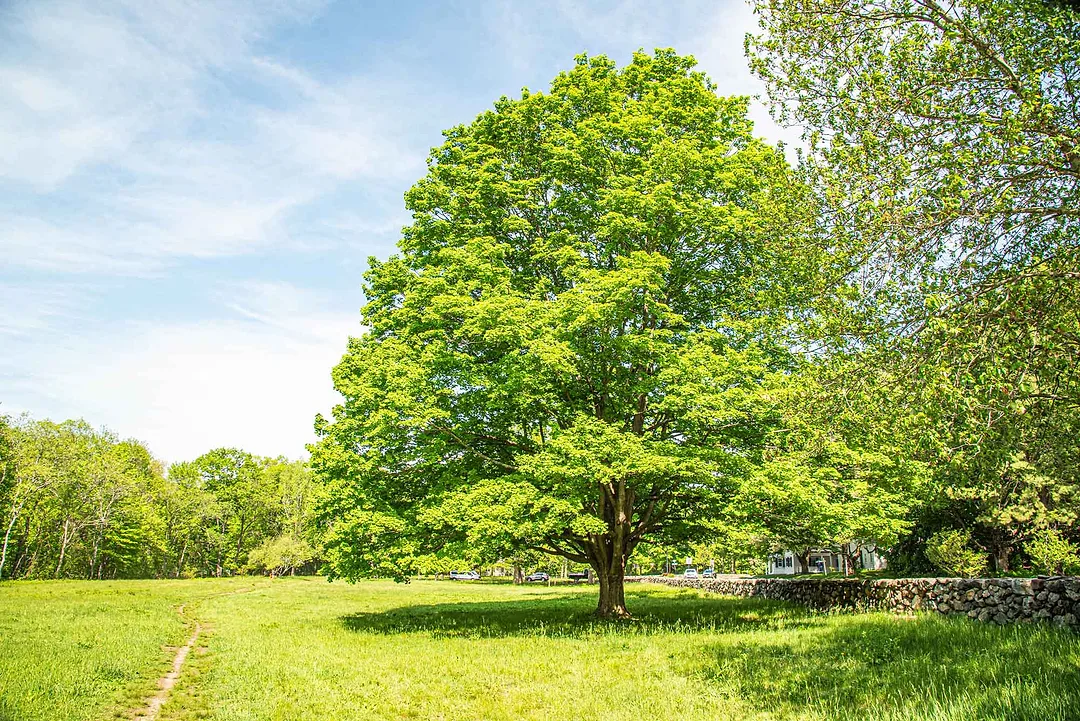
Heywood Meadow is a preserved space for all ages to enjoy. The protected land is not a park, but rather serves as a historic cultural spot that connects several parcels to create one of Concord’s oldest open spaces close to the town center.
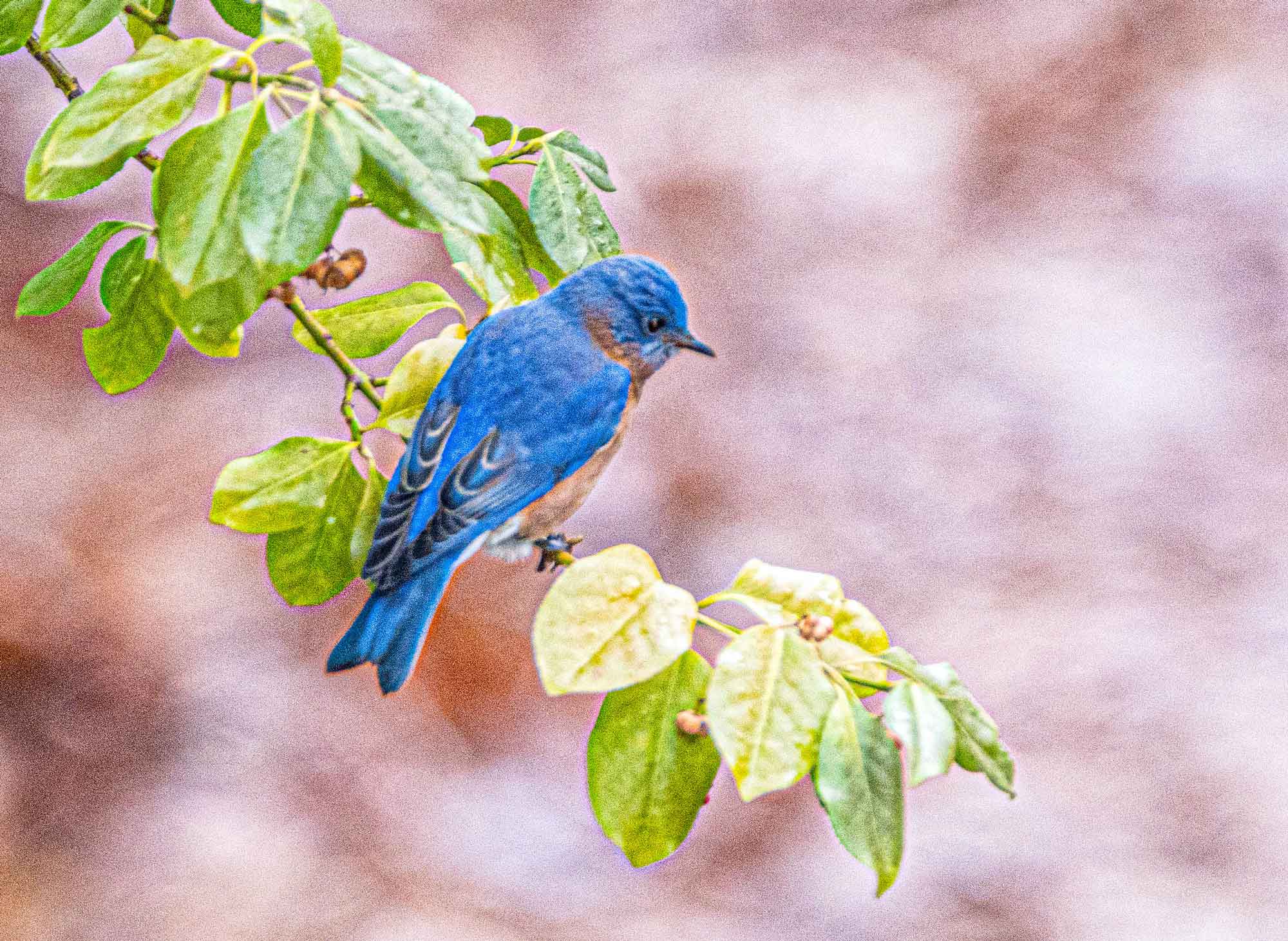
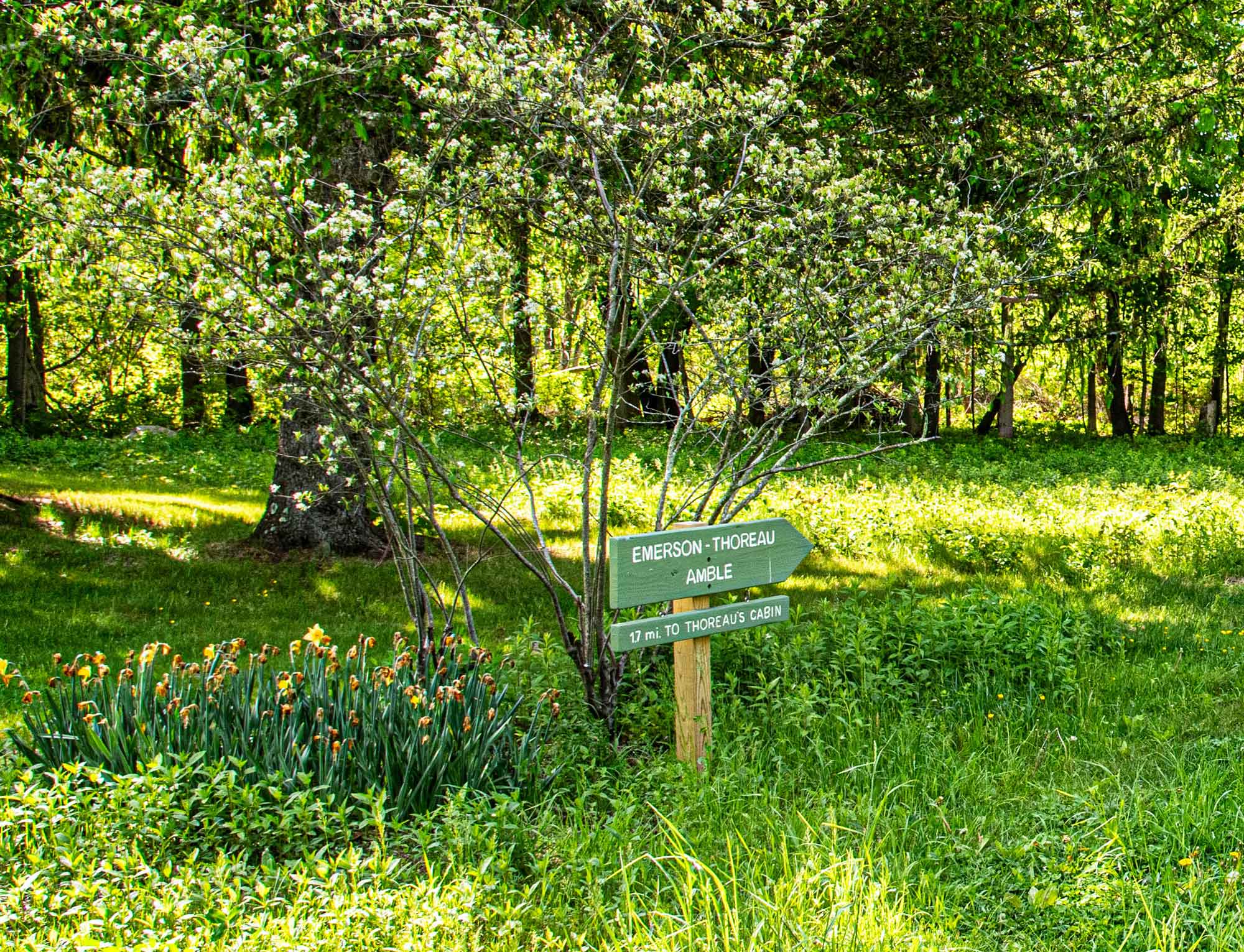
The six-plus acres currently encompass mowed walking paths, the Mill Brook, stone walls, mature trees, native plants, flowers, and grasses. The meadow provides a valuable habitat for various creatures. A variety of insects and birds, from nesting bluebirds to monarch butterflies, can be observed seasonally. Foxes have raised kits in the woodland and fishers scamper along the brook. Deer have been seen on misty mornings, too. Wooden benches on the mowed pathways provide visitors with opportunities to sit and take in the natural landscape. Those who wish to explore beyond the meadow can take the Bay Circuit Trail or the Emerson-Thoreau Amble, which bisect the space.
The land has long provided opportunities for the people who lived on or near the current meadow. Prior to European colonization, native inhabitants of Musketaquid (as Concord was formerly called, meaning “Grassy Island”) seasonally traveled the tributaries of the Sudbury and Concord Rivers for fishing and cultivated the fertile land surrounding the Mill Brook, which is part of Heywood Meadow. Colonists later created the settlement of Concord in 1635.
Initially a cluster of homes encircled the Mill Brook—which the early settlers dammed to create a power source—with the remaining space used as common land for meadow-grass grazing and agriculture. British soldiers marched by these historic homes and the meadow, now part of the American Mile Historic District, on their way to engage with the colonial militia who were believed to be storing arms in Concord. Post-revolution, the town continued to expand with additional homes and buildings.
The water from the dam later encroached into the meadow, creating the Mill Pond, which was subsequently drained, continuing to shift the ecology of the area. Photographs of the landscape during the 1900s illustrate the openness of the town’s landscape.
When industrialization brought the train through Concord, more people came from Boston as visitors or summer residents. Meadows used for common grazing began to shrink, including Heywood Meadow. Paved roads for automobiles brought even more citizens who wanted to settle in Concord.
The historic and aesthetic value of the land proved controversial as the town expanded. A courthouse, fire and police station, visitor center, and parking areas were seen as possibilities for the meadow. The only building currently on the meadow site was erected around 1960, a replica of a gun house at the far end of the East Meadow. The structure houses equipment for the Concord Independent Battery that is used on celebratory occasions.
Twenty-five years ago, an ad hoc group of citizens initiated conversations with the town of Concord about historic preservation for the several parcels that make up Heywood Meadow. They were heard by town officials, which led to permanent preservation restrictions on the land area. The Heywood Meadow Stewardship Committee under the Natural Resources Commission was formed. The committee is charged with maintaining the historic landscape and protecting the local ecosystems by reintroducing native pollinator plants, clearing invasive plants, and monitoring the ecological health of the property. In addition, the committee wishes to foster public awareness regarding the significance Heywood Meadow has in the town.
Recently two work sessions engaged committee members and Concord resident volunteers in pulling invasive bittersweet and buckthorn from the meadow. Several apple trees were pruned this spring, and at least one tree has a hole that is home to a resident chipmunk. Spring brings a symphony of chirping to the meadow with robins, bluebirds, red-winged blackbirds, mourning doves, Baltimore orioles, and catbirds. The variety of species reflects a positive barometer as birds rely on caterpillars and insects that are dependent on native plant species to feed their young. Visitors are always welcome to soak in the gifts of the natural world and imagine the historical events that took place over time in the meadow.
Two detailed Heywood Meadow documents are available on the Town of Concord’s website: “The Mill Brook & Heywood Meadow – Saving Common Ground” and “Landscape Preservation Plan, Heywood Meadow, Concord MA,” revised in 2023. These provide a detailed history of the land from before 1635 (when the town was settled) to the present day. Richard Forman’s field guide “Concord’s Mill Brook: Flowing Through Time” (1997) provides additional information. More photographs of Heywood Meadow are on display at Haute Coffee in Concord Center. Town of Concord website: ConcordMA.gov/1132/Heywood-Meadow-Stewardship-Committee