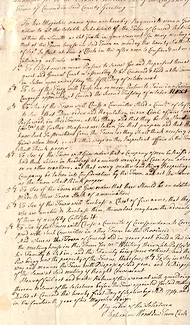
In the fall of 1774, only months from the confrontation at the North Bridge, the Town of Concord was a thriving farming community and a regional trading hub accessible to Boston via two roads and with a population of nearly 1,500 inhabitants. The Town had grown gradually since its incorporation in 1635. Townspeople actively engaged in Town government and established businesses, schools, and churches to support the needs of its growing population. The inhabitants regularly squabbled over factional conflicts, but the community was harmonious in many respects.
Colonial rebels in Concord did not wait until April 1775 to reject British rule. They did so in October of 1774, a full six months earlier—and a small tax on tea was the least of their complaints.
Earlier that year, as punishment for the Boston Tea Party, Parliament had passed the so-called Coercive Acts. Today, closing the Port of Boston gets all the press, but two different measures actually tipped the scales and led to revolution. The Massachusetts Government Act revoked the 1691 Provincial Charter, effectively disenfranchising the citizenry: no more town meetings, no more say in choosing local and provincial officials. The Administration of Justice Act allowed the Crown to transport accused citizens to Great Britain for trial. Before this, the colonial population was divided between so-called “Whigs” or “patriots,” who protested various acts of Parliament, and so-called “Tories” or “government men,” those more sympathetic to British law. But after these measures, only a handful of diehards dared argue that disenfranchisement was the way forward. Their constitution nullified and their right to a fair trial abrogated, people throughout Massachusetts, more united than ever before and possibly ever since, rose up as a body to say: “No way!”