
Discover Concord Logo
Toggle Mobile MenuToggle Mobile Menu
Subscribe
  • Home
  • Current Issue
  • Back Issues
    • Fall 2025
    • Spring 2025
    • Winter 2025
    • 2024 Back Issues
    • 2023 Back Issues
    • 2022 Back Issues
    • 2021 Back Issues
    • 2020 Back Issues
    • 2019 Back Issues
  • Browse Topics
    • Abolitionism in Concord
    • American Revolution
    • Arts & Culture
    • Celebrity Profiles
    • Civil War
    • Concord History
    • Concord Writers
    • First Nations People of Concord
    • Historic Sites in Concord
    • Parks & Nature
    • Patriots of Color
    • Things to See & Do
    • Transcendentalism
    • Trivia
    • Untold Stories of Concord
  • Plan Your Visit
  • Events
  • Purchase Subscriptions and Back Issues
  • Discover the Battle Road
  • 250 Collectibles
  • Trading Cards
  • More
    • About Us
    • Advertise
    • Contact Us
Toggle Mobile MenuToggle Mobile Menu
Home » Authors » Robert A. Bellinger

Robert A. Bellinger

Dr. Robert A. Bellinger, history professor emeritus, Suffolk University. Founder of Righting Histories, he is a public historian who works on African American history projects in Lexington, Concord, and other Massachusetts communities, and in Charleston, South Carolina.

Articles

ARTICLES

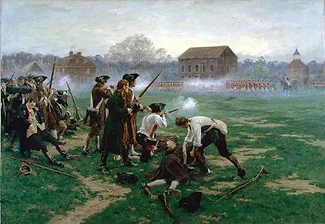
The_Battle_of_Lexington-wikimedia.jpg

Prince Estabrook: From Lexington Green to the Hudson River Valley

March 28, 2025
Robert A. Bellinger
No Comments

Early on the morning of April 19, 1775, approximately 70 men, all residents of Lexington, Massachusetts, gathered on the Town Green in response to the news that the British Regulars were approaching the town on their way to Concord to search for stores of ammunition. The Lexington men were members of the local militia responsible for protecting their community. Among those Lexingtonians was Prince Estabrook, a man of African descent who was enslaved by Benjamin Estabrook, another Lexingtonian. Whether or not Prince, or any of the other men, were aware of how the events of the morning would play out, it is certain that he did not envision that he was laying the foundation for a new nation. Even so, Prince embodied the events and issues of the day in a way that was distinct from the other men who gathered on the Green that April morning.


Read More

Featured Stories

  • Battle Green istock Peter Blottman.jpg

    Discover the Battle Road

    “The flames of sedition spread.” So wrote General Thomas Gage in September 1774 after armed colonists forced the closure of the county courts in Springfield and Great Barrington. The crisis was escalating—and revolution was drawing near. Discover the story in “The Massachusetts Court Closures: The Flames of Sedition Spread.” And when spring arrives, why not see the history for yourself? “Lexington’s Historic Landmarks: Tracing the Roots of the Revolution” highlights nine sites in Lexington that bring the opening chapters of the Revolution to life.
©2026. All Rights Reserved. Content: Voyager Publishing LLC. Design, CMS, Hosting & Web Development: ePublishing
Facebook Instagram