Discover Concord Logo
Toggle Mobile MenuToggle Mobile Menu
Subscribe
  • Home
  • Current Issue
  • Back Issues
    • Fall 2025
    • Spring 2025
    • Winter 2025
    • 2024 Back Issues
    • 2023 Back Issues
    • 2022 Back Issues
    • 2021 Back Issues
    • 2020 Back Issues
    • 2019 Back Issues
  • Browse Topics
    • Abolitionism in Concord
    • American Revolution
    • Arts & Culture
    • Celebrity Profiles
    • Civil War
    • Concord History
    • Concord Writers
    • First Nations People of Concord
    • Historic Sites in Concord
    • Parks & Nature
    • Patriots of Color
    • Things to See & Do
    • Transcendentalism
    • Trivia
    • Untold Stories of Concord
  • Plan Your Visit
  • Events
  • Purchase Subscriptions and Back Issues
  • Discover the Battle Road
  • 250 Collectibles
  • Trading Cards
  • More
    • About Us
    • Advertise
    • Contact Us
Toggle Mobile MenuToggle Mobile Menu
Home » Topics » Transcendentalism

Transcendentalism

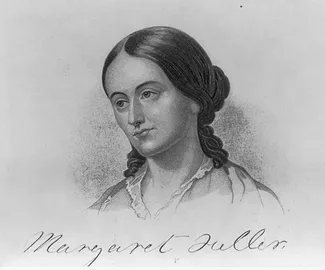
Margaret_Fuller_LCCN2002712183.jpg

“The Most Remarkable Woman of Our Time:” Margaret Fuller, Transcendental Feminism, and Women’s Rights

March 15, 2020
Kristi Lynn Martin
No Comments

Margaret Fuller (1810-1850) was a “feminist” before the word existed. 

Fuller’s father rigorously educated his eldest child as if she were a son, bestowing on her a formative belief in the gender-equality of the mind and spurring her own career as a teacher. In her thirties, Fuller’s erudite reputation preceded her as a leader in the emerging Transcendentalist movement, a philosophy that revitalized the role of the individual in society in the decades preceding the American Civil War. Along with Elizabeth Peabody, Sophia Ripley, Abigail May Alcott, and Lidian Emerson, Fuller was among those women who actively shaped Transcendentalism and used its impetus to further social aims.


Read More
Previous 1 2 3 Next

Featured Stories

  • Edited-Photo-of-library.jpg

    The Historic Peabody Building: A Gem in the Woods of Concord

    The Peabody Building is part of Concord’s mid-century modern architectural legacy. Designed in 1968 by The Architects Collaborative (TAC) as an elementary school, it was opened in 1970 and served (along with the Sanborn building) for 55 years as the Concord Middle School. This building is the physical manifestation of the mid-century architects’ aspirations for the elevation of our society, starting with children and the design of their environment.
  • COVERDiscoverBattleRoad NPS image no logo.jpg

    Discover the Battle Road

    This week from Discover the Battle Road: Concord didn’t suddenly wake up on April 19, 1775, and decide the time had come for action. For months, the town was already moving from uneasy tension to open defiance, organizing militia readiness and helping lay the groundwork for what was coming. Discover more in “Concord on the Eve of War." And when the fighting finally erupted, the men weren’t carrying standardized weapons. Instead, they came armed with what they had available - local fowlers, older British arms, imported pieces, and even prized French guns with histories of their own. “I Picked Up a Good French Gun: The Muskets of the Battles of Lexington and Concord" delves into the armaments of citizen-soldiers on that day.
©2026. All Rights Reserved. Content: Voyager Publishing LLC. Design, CMS, Hosting & Web Development: ePublishing
Facebook Instagram