On the morning of October 18, 1775, the coastal town of Falmouth—now known as Portland, Maine—awoke to the ominous sound of British naval cannon fire. For over nine hours, incendiary shells, bombs, and grapeshot rained down upon the bustling seaport, igniting more than 400 buildings and leaving over 1,000 residents homeless on the brink of a harsh New England winter.
n the fall of 1775, a cold, muddy siege took place along the Richelieu River, marking the Continental Army’s first major operation outside the Thirteen Colonies. The Siege of Fort St. Jean, from September 17 to November 3, was a harsh and prolonged conflict. This campaign exposed the fragile beginnings of America’s revolutionary efforts and set the stage for future challenges in Canada.
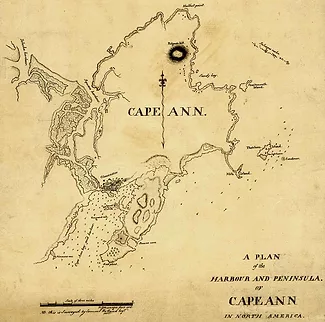
After the Battle of Bunker Hill, British officials in Boston decided that several coastal towns to the north—including Salem, Beverly, Ipswich, Newburyport, and Gloucester—likely served as supply hubs for the American forces surrounding the city. As a result, these towns became important targets for British naval attacks and landings.
After telling the tale of The Midnight Ride of Paul Revere, Henry Wadsworth Longfellow ended his epic poem with the words, “The rest you know from the books you have read.” But in case you haven’t read books about the battles at Lexington and Concord, Cape Cod artist Karen Rinaldo will sum it up for you in a single piece of art, currently on display at the Concord Museum.
Centuries had passed since legendary King Arthur pulled a sword from a stone claiming his right to the throne of England, but, once more, swords were being pulled in King Arthur’s land as guards tried to repel a crowd surging forward to get a glimpse of captive Patriot Ethan Allen and some of his Green Mountain Boys as they were dragged towards Pendennis Castle in Cornwall, England.
The American Revolution, often viewed through the lens of soldiers and statesmen, holds a lesser-known narrative: the experiences of its civilian children. These young witnesses provide a unique, albeit often overlooked, perspective on the war’s impact. However, authentic contemporary accounts written by children are scarce. Most of these stories emerged decades later, passed down through generations, and were documented in the 19th century or beyond. Here are four such narratives, starting with those from the Battles of Lexington and Concord and concluding with the Battle of Bunker Hill.
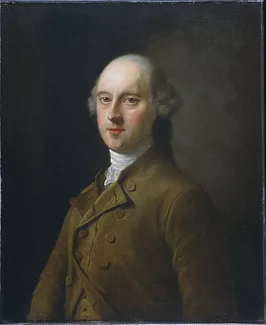
Perhaps one of the most underrated events of 1775 in Revolutionary America was the transmission of secret orders from William Legge, 2nd Earl of Dartmouth (1731-1801) and His Majesty’s Secretary of State for the American Department, to Gen. Thomas Gage, military governor of Massachusetts and commander of the British army in North America, to end the colonial insurgency by force if necessary.
The Battle of Menotomy was a skirmish fought as the British retreated to Boston on April 19, 1775. The fight, often overshadowed by the Battles of Lexington and Concord, was brutal and bloody.
After the Battles of Lexington and Concord, British troops retreated to Boston. However, they were relentlessly harassed by thousands of militiamen who ambushed them from the surrounding woods and houses. The British soldiers, now under constant fire, were forced to slow their pace and fight their way back to safety.
The Battles of Lexington and Concord, fought on April 19, 1775, marked the outbreak of the American Revolutionary War. The British, seeking to suppress a growing colonial rebellion, dispatched 700 elite troops under the command of Lieutenant Colonel Francis Smith to seize a stockpile of arms and ammunition in Concord, Massachusetts. News of this impending operation quickly spread through the colonial network, alerting local militias.
The operation began with British troops crossing the Charles River to Cambridge and marching toward Concord under darkness. The confrontation began at Lexington Green, where a small contingent of colonial militiamen, under the command of Captain John Parker, faced a significantly larger British force. As the Regulars approached the town common, Parker told his men to “Stand your ground, don’t fire unless fired upon, but if they mean to have a war, let it begin here!”1
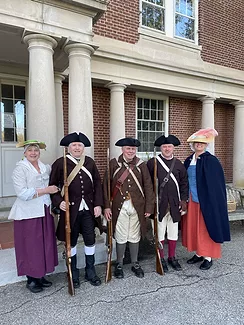
Each year, hundreds of thousands of visitors from across the globe come to Concord, Lexington, and the surrounding towns to witness the time-honored traditions, tactical demonstrations, and festive commemorations that pay tribute to the first battle of the American Revolution. These amazing living history moments are only possible with the dedication and support of hundreds of passionate historical reenactors who work year-round to ensure the stories of our nation stay alive in the hearts and minds of visitors to our national parks.