Discover Concord Logo
Toggle Mobile MenuToggle Mobile Menu
Subscribe
  • Home
  • Current Issue
  • Back Issues
    • Fall 2025
    • Spring 2025
    • Winter 2025
    • 2024 Back Issues
    • 2023 Back Issues
    • 2022 Back Issues
    • 2021 Back Issues
    • 2020 Back Issues
    • 2019 Back Issues
  • Browse Topics
    • Abolitionism in Concord
    • American Revolution
    • Arts & Culture
    • Celebrity Profiles
    • Civil War
    • Concord History
    • Concord Writers
    • First Nations People of Concord
    • Historic Sites in Concord
    • Parks & Nature
    • Patriots of Color
    • Things to See & Do
    • Transcendentalism
    • Trivia
    • Untold Stories of Concord
  • Plan Your Visit
  • Events
  • Purchase Subscriptions and Back Issues
  • Discover the Battle Road
  • 250 Collectibles
  • Trading Cards
  • More
    • About Us
    • Advertise
    • Contact Us
Toggle Mobile MenuToggle Mobile Menu
Home » Topics » Patriots of Color

Patriots of Color

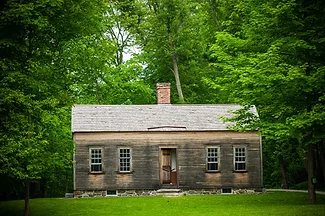
Robbins-House-.jpg

The Robbins House: Preserving the Legacy of African American History in Concord

March 15, 2020
Alida Vienna Orzechowski
No Comments

If historical Concord had to be summed up in one sensational newspaper headline it might read something like, “TINY TOWN THAT TROUNCED BRITISH BATALLION ALSO BELOVED BY BOOKWORMS”. 

Fortunately, most pilgrims to Concord don’t rely on alliterative excerpts of history when they visit, and yet, there’s so much more to our story than armies and authors. In particular, there is a great deal just waiting to be learned about Concord’s African American history, a complex and very human story that far predates our nation. 

A short drive down Monument Street and across from the venerable Old North Bridge, sits a restored early-19th century vernacular farmhouse, such as can be found all over New England. What sets this farmhouse apart is that it belonged to the family of Revolutionary War veteran Caesar Robbins, who was enslaved at birth around 1745. 


Read More
Previous 1 2 Next

Featured Stories

  • Battle Green istock Peter Blottman.jpg

    Discover the Battle Road

    “The flames of sedition spread.” So wrote General Thomas Gage in September 1774 after armed colonists forced the closure of the county courts in Springfield and Great Barrington. The crisis was escalating—and revolution was drawing near. Discover the story in “The Massachusetts Court Closures: The Flames of Sedition Spread.” And when spring arrives, why not see the history for yourself? “Lexington’s Historic Landmarks: Tracing the Roots of the Revolution” highlights nine sites in Lexington that bring the opening chapters of the Revolution to life.
©2026. All Rights Reserved. Content: Voyager Publishing LLC. Design, CMS, Hosting & Web Development: ePublishing
Facebook Instagram