Discover Concord Logo
Toggle Mobile MenuToggle Mobile Menu
Subscribe
  • Home
  • Current Issue
  • Back Issues
    • Spring 2026
    • Fall 2025
    • Spring 2025
    • Winter 2025
    • 2024 Back Issues
    • 2023 Back Issues
    • 2022 Back Issues
    • 2021 Back Issues
    • 2020 Back Issues
    • 2019 Back Issues
  • Browse Topics
    • Abolitionism in Concord
    • American Revolution
    • Arts & Culture
    • Celebrity Profiles
    • Civil War
    • Concord History
    • Concord Writers
    • First Nations People of Concord
    • Historic Sites in Concord
    • Parks & Nature
    • Patriots of Color
    • Things to See & Do
    • Transcendentalism
    • Trivia
    • Untold Stories of Concord
  • Plan Your Visit
  • Events
  • Purchase Subscriptions and Back Issues
  • Discover the Battle Road
  • 250 Collectibles
  • More
    • About Us
    • Advertise
    • Contact Us
Toggle Mobile MenuToggle Mobile Menu
Home » Topics » Transcendentalism

Transcendentalism

19.jpg

Transcendentalism 101

June 15, 2020
Richard Smith
No Comments

In the mid-1830’s, a new word entered the American lexicon; Transcendentalism. It was a word that was vague and confusing, a word that seemed mystical, spiritual, and possibly even blasphemous. Even today, 170 years later, Transcendentalism is still misunderstood, and many people have a hard time explaining what it was and what it means. 

Lexico.com defines Transcendentalism as “an idealistic philosophical and social movement which developed in New England around 1836 in reaction to rationalism. Influenced by romanticism, Platonism, and Kantian philosophy, it taught that divinity pervades all nature and humanity, and its members held progressive views on feminism and communal living. Ralph Waldo Emerson and Henry David Thoreau were central figures.” Simply put, it is the idea that God is present in all things, that we are surrounded by divinity. All of nature is divine, and therefore, since man is a part of nature, we have the capability to be divine as well.


Read More
Margaret_Fuller_LCCN2002712183.jpg

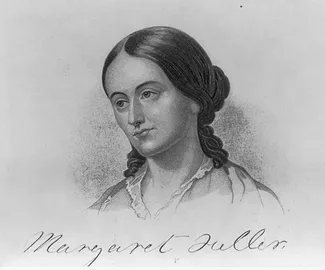
“The Most Remarkable Woman of Our Time:” Margaret Fuller, Transcendental Feminism, and Women’s Rights

March 15, 2020
Kristi Lynn Martin
No Comments

Margaret Fuller (1810-1850) was a “feminist” before the word existed. 

Fuller’s father rigorously educated his eldest child as if she were a son, bestowing on her a formative belief in the gender-equality of the mind and spurring her own career as a teacher. In her thirties, Fuller’s erudite reputation preceded her as a leader in the emerging Transcendentalist movement, a philosophy that revitalized the role of the individual in society in the decades preceding the American Civil War. Along with Elizabeth Peabody, Sophia Ripley, Abigail May Alcott, and Lidian Emerson, Fuller was among those women who actively shaped Transcendentalism and used its impetus to further social aims.

Read More
Previous 1 2 3 Next

Featured Stories

  • Cover Summer26.jpg

    The Summer Issue is Here!

    As our nation celebrates the 250th anniversary of the Declaration of Independence, this issue explores the people, ideas, and stories that continue to shape its legacy. Inside, Professor Robert A. Gross offers fresh perspective in “A Referendum on Independence,” while a special foldout guide, “Following in Thoreau’s Footsteps,” invites you to explore the landscapes that inspired him. Discover an unexpected connection in “A Tale of Two Authors,” revisit the moving story of “A Hawthorne Homecoming,” and enjoy summer events, arts, and ways to experience Concord firsthand.
  • LMA-Healy-1871-TPOWERS.jpg

    The Alcott Archives: A Door to Discovery and Joy

    At the library’s public unveiling of the collections on March 28, 2026, renowned Alcott scholar Daniel Shealy observed that the new holdings encompass “numerous unpublished letters, hundreds of books, complete manuscripts, important presentation copies of books—most of them first editions—ephemera, photographs, first appearances of tales in periodicals, obscure and rare printings of books, and even unpublished journals.” According to Professor Shealy, the collections as a whole are “almost breathtaking in [their] scope and importance.”
  • Lucy-Worsley-Wikimedia.jpg

    A Commentary on Lucy Worsley Investigates: The American Revolution

    Lucy Worsley, a historian and television presenter, is recognized for presenting complex historical topics in an accessible manner while maintaining their nuances. In the series Lucy Worsley Investigates, she undertakes the challenging task of explaining the ideological, political, and human dimensions of the American Revolution to a general audience. The series also addresses the significant chronological and military complexities of the conflict. This documentary is ambitious and frequently engaging, particularly in its examination of the intellectual and cultural origins of the Revolution.
©2026. All Rights Reserved. Content: Voyager Publishing LLC. Design, CMS, Hosting & Web Development: ePublishing
Facebook Instagram